Why Culturally Responsive Teaching Matters: Meeting Native American and Global Learners Where They Are
Building Academic Excellence by Honoring Students' Cultural Identities and Lived Experiences

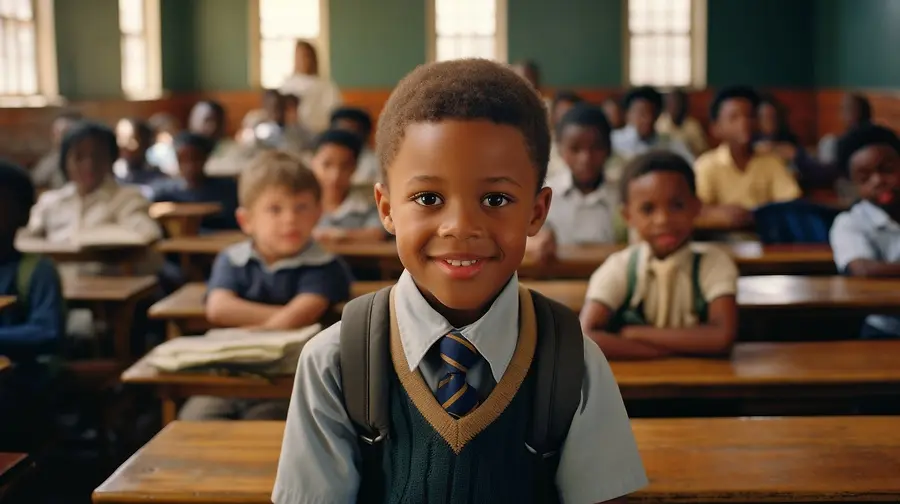
Every child who walks into my classroom carries an entire world with them: a language, a family history, traditions, stories, and songs that have shaped how they understand the world long before they ever opened a textbook. This truth has become the foundation of my work as an educator. I don't see a student's culture as something to work around—I see it as the very foundation upon which meaningful learning is built.
For Native American students, children from immigrant and multilingual families, and students of color across our nation, culturally responsive teaching is not a luxury or an optional strategy. It is essential because culture influences how the brain processes and makes meaning of new information. Education researcher Zaretta Hammond, author of Culturally Responsive Teaching and the Brain, explains, "Culture, it turns out, is the way that every brain makes sense of the world."
When instruction ignores students' cultural experiences, they are often forced to do the extra cognitive work of translating lessons into terms that make sense to them. That additional effort has little to do with mastering the content and everything to do with the disconnect between how students learn and how they are taught.
Learning Through Relationships and Trust
Hammond's research reinforces something I have observed throughout my career: students learn best when they feel safe, valued, and connected. Positive relationships help regulate the brain's stress response, creating the mental space needed for deeper thinking, creativity, and problem-solving.
In Native American communities and other collectivist cultures where I have had the privilege to serve, relationships are not an addition to learning—they are the foundation of learning. Trust is earned through respect, listening, and authentic partnership, and that trust creates the conditions in which students are willing to take academic risks and grow.
I have experienced this firsthand. Since beginning my teaching career in the United States in 2004 as a tutor on the Navajo Nation, I have intentionally built my educational practice on collaboration rather than bringing a one-size-fits-all curriculum into the community. Working alongside Native American educators, school leaders, families, and community members, I have designed programs that honor the strengths, values, traditions, and knowledge already present within those communities. That partnership has been central not only to my students' success but also to my own growth as an educator.
From Cultural Strengths to Academic Excellence
One of Hammond's most important observations is that culturally and linguistically diverse students are too often underestimated. In many classrooms, rigorous and engaging learning experiences are delayed until students have supposedly mastered "the basics." Unfortunately, this approach can deprive students of the meaningful context that makes learning relevant and motivating.
Culturally responsive teaching offers a different path. Rather than viewing culture as a distraction from academic rigor, it uses students' cultural knowledge as a bridge to rigorous learning.
I bring this philosophy to life through music, storytelling, project-based learning, and hands-on STEM experiences that connect directly to my students' cultural identities. The original educational songs I have written in Yoruba, Spanish, and Native American languages are not simply enrichment activities. They are instructional tools that support language development, strengthen cultural identity, and create emotionally meaningful learning experiences.
Every child deserves to see themselves reflected in the curriculum—not as a visitor in someone else's story, but as an important part of the learning journey.
Through my work with Desert Rose Consultants, I have extended this culturally responsive approach beyond individual classrooms by designing STEM programs, multicultural curricula, leadership development initiatives, life skills workshops, and educational programming that serves students from Native American, African American, Hispanic, French, Middle Eastern, Australian, and many other cultural backgrounds.
A Model for America's Diverse Classrooms
As classrooms across the United States continue to grow more culturally and linguistically diverse, the need for culturally responsive teaching becomes even greater. This approach encourages educators to recognize students' cultural backgrounds as strengths to build upon rather than gaps to overcome. The result is greater engagement, stronger academic achievement, and classrooms where every student can connect their lived experiences to meaningful learning.
My invitation from the Utah State Board of Education to contribute to curriculum development supporting African American students, alongside my long-standing work with Native American communities throughout the Southwest, has reinforced my belief that culturally responsive teaching is both effective and adaptable across cultures, languages, and regions.
The goal is not to teach every student in exactly the same way. As Hammond's research suggests, effective teaching begins by recognizing how students learn best. Our responsibility as educators is to provide every learner with an authentic pathway to academic success—one that begins with who they already are, honors where they come from, and empowers them to become who they are capable of being.


