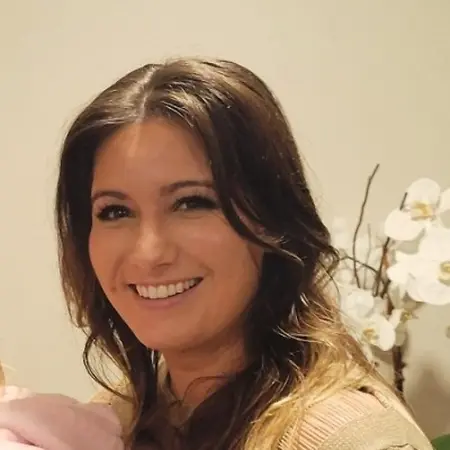
Her Story
About Caroline
I graduated with a psychology and human resource degree in 2015 from The University of Arkansas at Little Rock. Honestly, I didn't really know which direction to take that at the time. I came across AMN Healthcare, which focused on travel nurse staffing, and started on the ground level as a recruiter. They had a well-structured training program that was a good transition for me coming from a college background into the corporate world. From there, I realized it was more than just travel nursing - and I wanted to know more and dive in deeper. Eventually I made my way over to Medical Solutions and have been able to offer total workforce solutions and a partnership approach to align with hospitals and health systems to create a more sustainable workforce through different options and resources. I've loved that I've been able to connect what I do every day with things that matter in the world - patient care and all of these nurses and other clinicians that take care of our family members and even ourselves. It's been easy to see what I put out into the world is helpful, and it makes me feel very connected to my work. I've been in the field a little over 10 years now, and I've taken it in stride over the years and built up from there. I've been an advocate for myself with learning from others within the industry - I would shadow a lot of other people in my different companies and take risks in changing roles laterally to really gain more of a level foot. Today, my main area of expertise is workforce management support, helping hospitals regulate post-COVID and plan ahead thinking forward to 1, 3, or even the next 5 years. I give them the flexibility to staff for now and a long-term solutions on how they're going to build a sustainable core clinical staff moving forward.
Her Interview
Ten minutes with Caroline
01What do you attribute your success to?
I attribute my success to flexibility and being a person who can connect with people easily. You want to be easy to work with, and you also want to be flexible so that you can make the most out of your career in the way that you need at the time. Sometimes you're making a change and you don't know if it's for better or worse, and you're just leaping in with both feet, and I'm glad that I did that so many times in my life. When people ask me to try new things, that has led me in directions very positively. For example, there was a UC strike years ago, and I wasn't on the compliance or credentialing team for that. However, they said, can you cross-train in this area so that you could be available to help get clinicians onboarded quickly so that they could support the system? That obviously brought me into an area of expertise that I hadn't had before, and that flexibility was really helpful throughout my career.
02What’s the best career advice you’ve ever received?
The best career advice I've ever received was to get in front of more influential people in your industry. Shake hands and get to know them well enough to where you they call you on your cell. Relationships will always be important and will take you further than anything else.
03What advice would you give to young women entering your industry?
I would say keep an open mind. I think sometimes you think you know what you want at different points in your life, and it changes with your environment and your mindset. That flexibility and the open mind is really important, especially early on in a career where things might change so many times down the road.
04What are the biggest challenges or opportunities in your field right now?
There's a constant change that happens with healthcare, and I think staying on top of the legislative changes can be a challenge at times. You also have to figure out how the hospital perceives that change, because what happens is policies change in government, and hospitals have to be so adaptive to those changes so that they're not falling behind, and they make key decisions off of those almost immediately. As someone who partners directly with hospitals for labor and workforce management, you have to find out where you fall into the mix - what is a priority for that facility, how much are they spending in other areas so that they can be mindful in workforce. That's the biggest challenge right now - being on top of the quickness of the changes, the government shutdowns, and everything else, and being a key partner so that when they say we don't know how we're gonna approach this, they can rely on you for at least a possible next step or to strategize.
05What values are most important to you in your work and personal life?
Honestly, the older you get, the more you realize that there really is only one life, and that the people around you are what makes it important. Kind of cheesy, but you realize that you have to make the dance recitals and the things for your kids and all of that. My dad always said it's a very small world, and you never realize that until you get older and you see somebody I went to college with at a grocery store 10 years later. For me, it's the connection with the people. When I go into work and I'm having these conversations, they're with highly educated leaders in health systems, and that gives me value in saying, okay, I appreciate this conversation because it's coming from somebody so highly intelligent and they've earned their role here, and that engages me immensely.
Join Influential Women and start making an impact. Register now.