Her Story
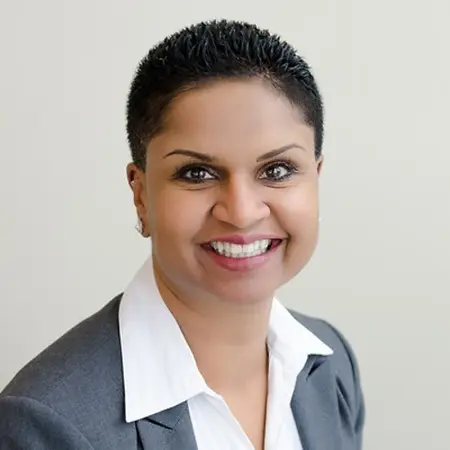
About Dianne
I've been reviewing contracts for over 15 years, and my journey into this field came from a place of wanting to create fairness. I started as a paralegal doing litigation and workman's comp, but honestly, I felt like people who really needed a break or some help seemed to be on the short end of the stick. I thought, if I review contracts, I can look for things that could maybe give somebody an edge, or find something that would protect them and reduce their risk. The litigation side was harder for me to stomach, so I moved into contract review because it felt like a way to even things out and create a more level playing field for people. In my most recent role, I worked on home health contracts involving value-based pricing and fee-for-service. Before that, I handled contracts for CMS, the Center for Medical Services, working on state contracts that HMOs get with the state to service Medicare and Medicaid. Throughout my career, I've also worked on real estate contracts, vendor contracts, employment contracts, and done some litigation work. What I enjoy most are the hiccups in negotiations - those moments where you have to really listen to understand what the other person wants, because when you truly listen, you find out they're not just looking to increase membership, they're looking to do it in the most cost-effective way. It's the people aspect of contracts, the personalities and interpretations, that make this work interesting to me.
Her Interview
Ten minutes with Dianne
01What do you attribute your success to?
I attribute my success to relationships and never trying to burn a bridge. You may not see eye-to-eye with somebody, but I always remember to be professional and hold myself to a high standard, even if the other party hasn't held themselves to a higher standing. I've been on the other side, so I try to acknowledge that, treat people fairly, understand what I'm doing, and not take things personally. I'm able to walk away and say I did the very best that I could. Because the world is so small, many people I've worked with in the past, I see them again, or they'll call and say there's a position available or ask if I'm interested in something, or thank me for helping them. There's an attorney I worked with at Associated Bank back in 2007 who was my boss and over the whole legal division, and we're still friends. We still talk, we still hang out, and if I need a good letter of recommendation, I definitely reach out to her. I honestly think it's relationships and me remaining professional, even in situations that are very prickly.
02What’s the best career advice you’ve ever received?
The best career advice I've ever received is to not take things personally, and when you're done, you're done - be able to walk away. I'm a Type A personality, so I'll get up in the middle of the night and review a contract, or look at it again and again. Those two pieces of advice have been crucial for me: not internalizing things, and then when you're done, being able to walk away.
03What advice would you give to young women entering your industry?
Honestly, know your worth. Work hard, get an education, do what you need to do on paper. But then also understand there's nothing better than hands-on experience - that's how you're going to learn something. Reading about the four elements of a contract is great, but then actually seeing what acceptance is, understanding legal standing, that's where real learning happens. The most important thing is don't sell yourself short. Definitely work hard - I'm not saying that knowing someone isn't sometimes how you get your foot in the door, and honestly, that's okay. But it may not be how you remain at a place. So definitely work hard, but know your worth. Don't let someone else's insecurities influence how you see yourself.
04What are the biggest challenges or opportunities in your field right now?
The biggest challenge isn't the contract itself, it's dealing with individuals negotiating contracts. You have to deal more closely with people and their interpretation of the terms. Everyone is trying to advocate for their side, but what I enjoy most are the hiccups - those moments in negotiation where you have to really listen to the other person to make sure you understand what it is they want. When you really listen, you find out they don't just want to increase their membership, they're also looking to do it in the most cost-effective way for them, because increasing membership means higher costs. If I can remember those things, then I can still make sure we're within budget. It's really the people aspect of the contract - the personalities, interpretations, and sometimes people looking to make a big contract for themselves so they can advance their career. The best part to me are those hiccups, having to deal with those personalities, and really looking at the language to see how I can use it to benefit both of us.
05What values are most important to you in your work and personal life?
The most important value to me is to really work with a high moral compass. If it doesn't feel right, I can't do it. I'll say I think that's not a good way to approach this, or let's look at the ramifications later on. I'm firm on that. There are things I just will not do, I don't care how much money it is. I'm not comfortable with that. I try really hard, and of course there's going to be times when I make a mistake, but I'm quick to own it and say that was poor judgment on my part, I need to own that. I don't fool around professionally or personally with my integrity. If I tell you I'm going to do something, then I'm doing it, and I'm doing it to the best of my ability. If I'm telling you I'm not comfortable with that, then I'm really not comfortable with that. I can't remember who said it, but it's been around for a long time - if you don't stand for something, you'll fall for anything, and I really believe that.
Join Influential Women and start making an impact. Register now.