Influential Woman · Creative Writing Visual Arts Media
J'Nae
Poet Filmmaker, PhoenixFilmHouse
IL
Her Story
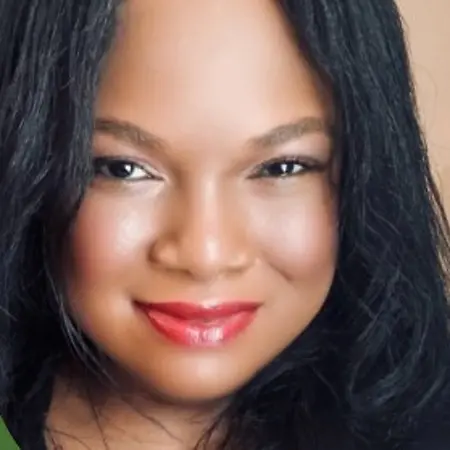
About J'Nae
I'm a storyteller at heart. Whether through film, essays, poetry, or memoir, I'm drawn to stories that reveal our shared humanity, especially in moments of struggle and grace.
With over 17 years honing my craft across creative writing, film, and multimedia storytelling, I've learned that the most powerful stories are the ones only you can tell. The messy ones rooted in lived experience and told with unflinching honesty. My latest work explores invisible illness, medical advocacy, family dynamics, grief, and the unexpected moments when strangers become angels.
Living with a rare genetic muscle disease has given me an insider's view of medical systems, invisible illness, and the assumptions people make about what sickness "looks like." My recent photo essay series 'She Doesn't Look Sick' challenges exactly those assumptions. That experience fuels my advocacy work and my commitment to telling stories that challenge assumptions and reveal complexity.
In March 2023, my mother passed away from her third bout of cancer. Before that, I had made her a promise: that I would tell my story. We agreed that I would abandon perfection, stop waiting for the perfect opportunity, and stop staying silent about the things our family considered forbidden. That promise changed everything. It permitted me to write with the honesty and vulnerability my work had always needed. That I needed.
I'm published in Human Parts, and Women Write, and my Substack series have built a community of over 100 readers who connect with what I call my 'Sweet & Sassy' approach: brutal honesty delivered with kindness. I want readers to feel seen, challenged, and hopeful when they read my pieces. I want them to feel validated, edified, and held.
My work asks: How do we bear witness to pain while still celebrating resilience? How do we tell hard truths without losing hope? How do we honor both the struggle and the helpers who show up along the way? I believe stories can change minds and hearts, but only if they're rooted in authenticity and accessible enough to actually reach people.
Her Interview
Ten minutes with J'Nae
01What do you attribute your success to?
Authenticity and resilience. And honestly? A healthy dose of stubbornness.
Living with a rare genetic muscle disease means I've had to fight to be seen, heard, and believed by medical systems that often dismiss what they can't immediately measure and label. I've also had to live with erasure and prejudice due to growing up a richly hued, multiethnic Black girl in the Midwest. Those experiences have taught me how to advocate fiercely for myself and for others through my writing and my voice.
For years, I was encouraged to write what others preferred- polished, carefully sanitized, edited for palatability. However, when I lost my mother and I nearly lost my own life, I was finally able to lose the tethers of perfection. I abandoned what I was told I needed to be and started being who I am, perfectly imperfect, and that's very much present in my work. My Substack series 'Everyday Angels' and 'Lyft Tales' aren't polished to perfection...they're honest, messy, human. And that's exactly why they resonate with others. I've learned that success comes from refusing to sand down your edges to be more palatable. My 'Sweet & Sassy' voice- honest but kind- resonates precisely because it doesn't apologize for being direct or for leading with hope despite hard truths.
I also credit the discipline of showing up consistently. Seventeen years of creative writing taught me that talent matters, but persistence and willingness to be vulnerable matter more. Craft matters, but the real game-changer was learning to trust my unique perspective. The stories only I can tell, rooted in my lived experience, are the ones readers connect with most.
And community. The readers who subscribe, share, and engage with my work remind me why these stories matter and that they have an impact beyond just me.
02What’s the best career advice you’ve ever received?
Stay Ready. Do the work only you can do. And show up anyway, even when it's hard, even when you don't feel ready.
Since childhood, my father, a disabled Air Force veteran, has counseled me to "stay ready so you don't have to rush to get ready." I have always kept a pen in hand, I always kept notes and plans, I focused my vision, and kept working at my art. I kept myself ready for opportunity, then I made opportunities come to me and took full advantage of them when they did. I'm very grateful to my father for always providing me with nuggets of wisdom to carry me through difficult times.
This advice transformed how I approach storytelling. Anyone can write about grief or illness or resilience. However, only I can write about MY grief, MY experiences navigating invisible illness, MY deathbed promise to my mother. The stories rooted in my lived experience, told in my voice, are the ones that connect most. They're also the hardest to write because they require extreme vulnerability. But that's exactly why they matter.
Writing about medical trauma, family dysfunction, and grief isn't easy. There are days I don't want to revisit these stories. But I've learned that showing up consistently, even imperfectly, is what builds a body of work and a community.
Success isn't about waiting until you feel ready or until conditions are perfect. It's about doing the work anyway, trusting the process, and believing your stories deserve to be told.
03What advice would you give to young women entering your industry?
As women, especially women with marginalized identities, we're often told our stories are 'too niche' or 'too personal.' Throughout undergrad and graduate school, I was told my projects and writings were unique and brilliant, but too intense, too heavy, too inappropriate for some. That's nonsense. The most universal stories are deeply personal. Your lived experience- whatever it is-gives you insight and authority no one else has.
The work that's changed my career- 'She Doesn't Look Sick,' 'Everyday Angels,' my hospital advocacy essays- are all pieces I was terrified to publish. They're vulnerable. They reveal struggle. They challenge systems and assumptions. But that's exactly why I chose to write them. Because if writing about the medical abuse and gaslighting and trauma I have been made to endure helps one other person dry their tears or advocate for themselves, then I've won that battle. I've won by doing my part to help weaken that cycle of trauma.
Young women, especially, are taught to be nice, not to make waves, to keep family secrets at their expense. But our most powerful work often comes from breaking those rules. From speaking truth, challenging injustice, and refusing to stay silent.
Don't wait for permission to tell your story. Don't sand down your edges to be more palatable. You don't need anyone's permission to breathe. You just need courage and commitment to show up authentically. The world needs your voice exactly as it is: messy, complex, honest, human.
And build community. Find other writers and creatives who champion your work. Share generously. Success isn't a zero-sum game, Suga. There's room for all of us.
Your pain, your perspective, are not liabilities but great assets. Write the stories that scare you. That's how you transform suffering into purpose, into strength.
04What are the biggest challenges or opportunities in your field right now?
The biggest challenge, and opportunity, I see right now is making literary and advocacy work accessible without sacrificing depth, while also addressing the representation gap in publishing.
There's often a false binary in creative nonfiction: you can be 'literary' (complex, prestigious, but alienating) or 'accessible' (broad reach but dismissed as simplistic). I reject that. My 'Sweet & Sassy' voice proves you can be both honest and kind, complex and conversational, literary and readable. And build an audience from those intersections.
Publishing has historically centered certain voices while marginalizing others- specifically, authentic disability narratives, BIPOC, and working-class perspectives in literary spaces. But platforms like Substack and Medium are democratizing publishing and changing that landscape. Writers don't need gatekeepers anymore to build audiences. Writers living in marginalized spaces can now reach audiences directly.
The challenge is that we're competing in an oversaturated market where attention is currency. But the opportunity is enormous: readers want diverse perspectives. They want stories about invisible illness, medical advocacy, family trauma, and resilience- told by people who've actually lived it, and not through a filtered lens.
I feel my work is being well received because it refuses to sanitize struggle or perform inspiration. It's honest about pain while celebrating the helpers, the resilience, the complexity. Authentic voices that bridge personal narrative with broader themes will always find audiences. People are hungry for stories that feel real, that challenge them, and that still offer hope. That's the kind of storytelling readers are craving right now. And, as an artist, that's inspiring.
05What values are most important to you in your work and personal life?
Truth, compassion, dignity, and legacy.
Truth, because stories lose power when we sanitize them. Truth-telling is non-negotiable.
Compassion, because honesty without kindness is just cruelty. My voice and nature both balance brutal truth with care. I can write about medical neglect or family dysfunction while still honoring the humanity of everyone involved. And maintain compassion and grace for me as well.
Dignity, both for myself and for the people in my stories. I refuse to exploit pain for clicks or to perform victimhood for sympathy. My work says: this happened, it mattered, and I'm still here with agency and voice.
And legacy, because of my mom, Ms. Robin. The promise I made her wasn't just about speaking my truth. It was about leaving something behind that matters, that helps, that changes things. I want my work to outlive me and continue advocating for people who need to be seen. I want the stories I tell to make a difference long after I'm gone.
One of the last heart-to-hearts I had with my mother, she told me I was "destined for greatness." But with that, she acknowledged that I've always chosen to make art that would help and uplift someone else, to help heal them. My mother challenged me to tell my story, but to have that same aim for myself. To tell my stories for me, because I, too, deserved my voice. And I'm grateful for that charge.
Join Influential Women and start making an impact. Register now.