Her Story
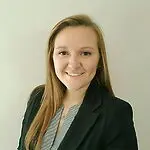
About Khadija
I've always been passionate about public health, mainly because my older brother and youngest sister both have autism, so I've been really into disability studies and any sort of disability accommodations and advocacy-related fields. When I was in undergrad at Boston College, I struggled so much to get through my work on top of my health issues because there was no support system. Nobody knew what anxiety was or anything like that. So I started becoming more passionate about mental health advocacy, and that's where my mentorship began. I founded the Pathway Scholars Foundation to work with students from minority backgrounds and mostly students that are in the foster system. I basically get them into college and help them navigate resources. My nonprofit is definitely an everyday thing because I have my students, they call me every day, we look for internships, we go through their work. On top of that, I help my mom with autism-related things in terms of what to do when my brother has a meltdown, what is autism, how to navigate it, and I help other families and other mothers that are struggling with raising adults with autism. I'm also working on the loneliness epidemic with a couple of doctors here at UConn Health. I come to lab sometimes at 6 AM and do what I have to do. I grew up with a lot of health issues. When I was in 8th grade, I had a brain tumor, and I ended up developing epilepsy because of it. I was always in the hospital. But honestly, my success came from all of the people I stopped to help along the way. I feel like their success is my success. If I help someone, I'm not losing anything from it. I make an effort to learn what they're going through, and for some odd reason, it will come up in the most random places where that piece of information is what I needed to get through something.
Her Interview
Ten minutes with Khadija
01What do you attribute your success to?
I think, for me, helping others, because there's many times where everyone will always tell me, put yourself first, put yourself first, you're people-pleasing, like, you have to do stuff for yourself, but I honestly, my success came from all of the people I stopped to help along the way. I feel like their success is my success. If I help someone, I'm not losing anything from it, so it's kind of like I make an effort to learn what they're going through, and what they're doing, what's bothering them, and that helps me, and for some odd reason, it will come up in the most random places where that piece of information is what I needed to get through something.
02What’s the best career advice you’ve ever received?
I wouldn't say it's advice, but my senior year of undergrad, I struggled a lot with health and everything, and I told my mom, I can't do it, I was going to drop out, and she told me, you're almost there, just push a little bit more, and every time I feel like I can't do something, I always tell myself, just, you know, you got to just push a little bit more.
03What advice would you give to young women entering your industry?
There's plenty of passion to go around, but the difference is what you do with it. I always tell my kids that you can do whatever you want, because a couple of my kids, they want to have, they want to do a lot of things, make a change, but they think the change that they are trying to make is not impactful. That's not true. Any kind of change is impactful, whether it's reading a book to kindergarteners, that is something that is big, too, you know? So, they always feel like they have to do something grandiose, something super big and mind-boggling, but it's the little stuff that add up and make you into the person that you are, and I think it's definitely important for people, whatever they're passionate about, no matter how little it is, to put their all into that.
04What are the biggest challenges or opportunities in your field right now?
Biggest challenges is learning to ask for help. I learned to do everything on my own, so whenever I was struggling, it would take a lot for me to ask for help, but I realize I'm so comfortable with people asking me for help, but then when it comes to me asking for help, I would completely feel like I'm a burden, or I would feel like it's too much for them. But the moment I completely stopped thinking that way was when things got easier for me and more manageable, and honestly, it was the best thing I did for my health and mental health. If I needed help with something, I would ask for it. If I needed financial assistance, I would ask for it. There's plenty of resources, plenty of opportunities. But if I don't ask for it, I wouldn't know, and I wouldn't get it. So I just learned to ask, and if I don't get it, I don't get it. And if I get it, yay!
Keep Exploring
More Influential Women · Connecticut
Join Influential Women and start making an impact. Register now.