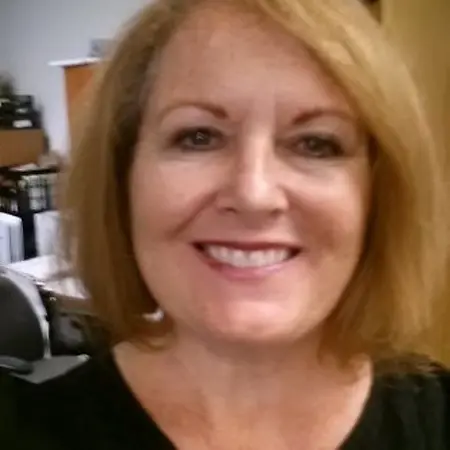
Her Story
About Mary
I started with a degree in biology because I loved science, and I love women in science - it's very empowering. I went to a Jesuit college which grounded me in a good ethical background, then went to NYU for physical therapy school, which was very cosmopolitan and international. I practiced physical therapy for 20 years and did everything from practice to being a founding member of a physical therapy program at Marymount University in Arlington, Virginia. I've done work internationally and still work internationally with Health Volunteers Overseas, which provides ongoing professional development and education to developing countries. I did my first tour in South Africa just after apartheid fell to support Black and colored students into healthcare professions, providing them social and academic mentorship and a leg up into the health sciences. I segued from clinical practice to working more with communities and prevention and the bigger picture, having more impactful change on many people as opposed to one person at a time. Now I work at the community level to provide agencies to communities to live healthier lifestyles, advocate for policy changes and environmental changes. I work with the hospital system and our community to do a lot of preventative work out in the field so that our clinicians don't have to see these folks. My main area of expertise is bridging clinical and community partners to leverage resources and strengths to make healthcare more culturally and linguistically and place appropriate. Every day is so different - I'm always looking at ongoing program management, making sure we're having our impact, always looking for more collaborations, and with those collaborations coming up with creative strategies and ideas to innovate and improve. I'm a people person, so I'm always problem solving and connecting with different people. It's all collaboration, not working in silos, not just my opinion and my way - it's what's going to work for everybody.
Her Interview
Ten minutes with Mary
01What do you attribute your success to?
I think for women, other women help me. If I can help, pay it forward, pay it back. Almost every job I've gotten, I've gotten because of a recommendation and of support. Networking, I think, is so crucial, and especially in the work that I do now, we've got to work together. I'm all about giving credit where credit is due and collaborating and making sure everybody who contributed is recognized. I think it's unfortunate when women look to themselves and they don't look to support each other. I've had both happen to me - fortunately, the latter more than people taking advantage - but I think I'm very conscious of giving people credit when they do the work because I think that's so important, especially as women. Let's support each other, let's not try to grandstand and take the credit for ourselves.
02What are the biggest challenges or opportunities in your field right now?
In healthcare, especially working in community health and public health, the current HR1 bill is going to reduce reimbursements to hospitals and reduce the number of people who are eligible for government insurance. That will be a challenge for all of us, but certainly in the community health work and community benefit work. How can we create systems to help leverage the resources we have to support them? And then also, there's a lot of misinformation out there regarding public health and how we, as a healthcare industry, can support best practice for families to get timely vaccines and healthcare. So it's really fighting misinformation and trying to leverage the limited resources that we're going to have available to us in the next few years because of the reductions in healthcare. We have a whole team, a whole department that's case management, and it's individuals that work with the most vulnerable of populations to help guide them to the care they need, to provide transportation vouchers so they can get to those appointments. Because so many people, doctors used to think they're no-show, but they couldn't get to you. It's not that they didn't want to get there, they couldn't get to you. Making sure there's enough resources to support that team of people. Because even as a health profession working in the industry for 40 years, navigating the health system takes a lot of self-advocacy and knowledge, and not everybody has that, and so how do we help those folks?
Join Influential Women and start making an impact. Register now.