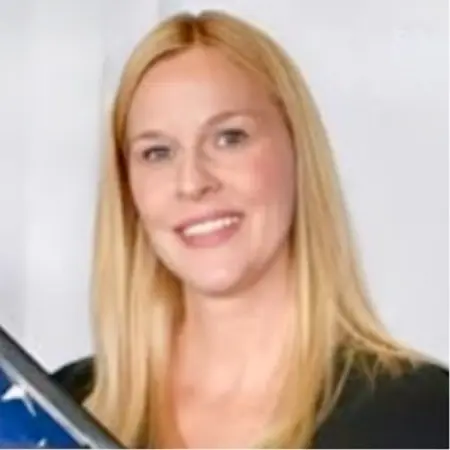
Her Story
About Tamara
I've always wanted to be in law enforcement. I have a lot of different family members that are actually in law enforcement, or have been in law enforcement, so I was exposed to it quite a bit. Since I was little, I just loved investigations. I started dispatching in 2006, and then in 2008, the police department put me through the academy, which worked out super nice because as soon as I graduated college, they put me through the academy right away, so I was able to become a police officer right after I graduated college. While I was a police officer, I started working narcotics investigations and doing a lot of community service and outreach. Then I was given the opportunity to come to the state agency of Wisconsin Department of Justice Division of Criminal Investigation, and I've been here since 2013. I specialize in internet crimes against children and have been supervising it for a couple of years now. One of my biggest accomplishments was starting the electronic storage detection canine program. When you search a house for electronic storage devices that might contain child exploitation material, you always leave feeling like you could have missed something. You could have thousands of files on a microSD card that's half the size of your pinky fingernail, and you could be in an empty room and miss that, let alone a whole house. It took me 3 years, but I kept proposing and didn't give up, and we started the program in 2018. We were the 17th dog from the major provider. I was the first canine handler here in the state, and I would deploy here in Wisconsin and Minnesota. Now I supervise that program and help other agencies join. Since 2018, we've had 13 dogs total in Wisconsin, down to 10 now with retirements. My goal was to make that tool accessible to every law enforcement agency within a few hours from their jurisdiction, and we have the southern part of the state completely covered. I'm currently working on getting more in the northern part. It's been really rewarding seeing the program grow and the things that dogs are finding that we have missed.
Her Interview
Ten minutes with Tamara
01What do you attribute your success to?
I attribute my success to not being willing to give up. When you come up with an idea or you're hit with a challenge, you're not just going to give up. You're going to keep pushing for things that you know are right and doing the right thing, and also things that you know can be great tools for what the common goal is. For example, with internet crimes against children, when you search a house for electronic storage devices that might contain child exploitation material, you always leave that house feeling like you could have missed something. You could have thousands of files on a microSD card that's half the size of your pinky fingernail, and you could be in an empty room and miss that, let alone a whole house or outside. It took me 3 years, but I kept proposing and I didn't give up, and we started the electronic storage detection canine program in the state of Wisconsin. We were the 17th dog from the major provider of those canines. I was the first canine handler here in the state, and I would deploy here in Wisconsin and Minnesota. Now I supervise that program and help others get other agencies to join. Since 2018, when we started the program, we have had 13 dogs total in the state of Wisconsin. My goal was to make that tool accessible to every law enforcement agency within a few hours from their jurisdiction, and we have the southern part of the state completely covered. I'm currently working on getting more in the northern part. It's been really cool seeing the program grow, and the things that dogs are finding that do have child exploitation things on it that we have missed has been really, really rewarding.
02What’s the best career advice you’ve ever received?
My grandfather told me this when I was younger and just starting in law enforcement: respect everybody until they disrespect you, and do that every contact. When I was younger, I didn't understand the point of that. The jurisdiction I worked in as a patrol officer and as a dispatcher had a heavy population of mental illness, and I really took that to heart. When I deal with somebody in this moment, you'd talk to them, they'd become disrespectful, you've dealt with it, and then you may see them an hour later and they don't recollect that conversation at all. It's like a whole other person. You'd see other officers getting frustrated and treating them right off the bat awfully. I really built rapport with a lot of people where they were very helpful, whether it was on calls that they needed help with, where you could actually work cooperatively with them to get them the help they needed, or if you were going to another call and they just happened to be in the area, they would help any way they can. Building that rapport with people was huge off of that advice, and I've used that internally too, because you don't know what's going on with even people you work with at home or how they're coping with things, and they may snap at you in this moment. Then your next contact, you just start over, because you don't know what happened in the background. It may not have been intended, and that's really helped keep and build relationships throughout my career, both internally and externally with the community.
03What advice would you give to young women entering your industry?
Just never give up. Always do the right thing, and as long as you're doing the right thing, you always get to where you need to be. Don't get frustrated with external or internal things to the point that you give up. Just keep doing the right thing, try and overcome the challenges, and just have your goal ahead of you. But also, most importantly, balance your home with your work. Work is there, and this is in every career. You have your goals, meet your goals, do what you can to meet those, but don't forget about your home life, because once that work is no longer here, the home life is what's going to be there.
04What are the biggest challenges or opportunities in your field right now?
The biggest challenge is it's still predominantly a male-populated field, so you are dealing with that throughout your entire profession. But there is a lot of different opportunities to work towards, and as long as you work for an agency that's open to innovation and different ideas, you can kind of explore a lot of different things, which has been pretty rewarding. I've been pretty lucky in parts of my career for that.
05What values are most important to you in your work and personal life?
Integrity. Honestly, just doing your best has always been important to me, whether it be home or at work. As long as you keep your integrity, that's really all you can do. You can make mistakes, but as long as you still have your integrity, that's the most important.
Join Influential Women and start making an impact. Register now.