The Time She Had to Defend Her Business Decision
Standing behind a choice when others questioned it.



Standing behind a choice when others questioned it.


Staying Optimistic in the darkest hour is extremely underrated. When there are people, employees, future employees, collaborators or future collaborators looking up to you and might emulate you and your decisions and your values, it reinstates the power we can bring to the table by staying as positive and as ambitious without losing sight of the bigger goals that we have set not just for ourselves or our organizations, also the bigger goals for the Safety of our generation and the generations to come and how sustainable can we make our world given the fact that some safety solutions may or may not be sustainable. Fighting terrorism and world crime is not a difficult task if the world unites its forces and works in cohesion. WE CAN DO THIS!

When I have had to defend a difficult decision, I return to three questions: Is it aligned with our values? Is it supported by the facts? And can I explain the reasoning with transparency and integrity? If I can answer yes to all three, I am prepared to stand behind it.

One of the biggest decisions I have had to stand behind is bringing a nontraditional approach to caregiving into a professional healthcare environment. SHS&S is professional, but it is not traditional healthcare, home healthcare, or a caregiving agency. I provide non-medical support and stabilization for caregivers using a structured approach developed through years of hands-on caregiving experience and work with families. Because the approach is different, I have sometimes had to explain where SHS&S fits within the healthcare ecosystem. Yet my services have already been successfully used with families, and their experiences and testimonials demonstrate that this is more than a theory. The key is understanding that SHS&S does not compete with or replace healthcare professionals. It fills a different space by supporting the caregiver while respecting the responsibilities and boundaries of the professionals already involved in the person's care. Standing behind this decision has meant being able to clearly communicate the distinction between what SHS&S provides and what belongs to the healthcare system. Once that distinction is understood, professionals can see how the two can work alongside one another without SHS&S revealing the proprietary methods behind how we do what we do.
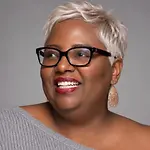
One of the most important lessons I've learned is that leadership isn't about having everyone agree with your decision. It's about having the courage to make the right decision, explain it with transparency, and stand behind it with integrity.

Don't sell yourself to sell your services. And don't undermine the power and value of the service you're selling.

Your reputation is worth more than one opportunity. Leadership means having the courage to stand by the right decision, even when it is not the easiest one.