Finding My Voice Wasn't About Speaking Louder. It Was About No Longer Shrinking.
Finding Permission to Speak: How I Learned to Stop Shrinking and Reclaim My Voice

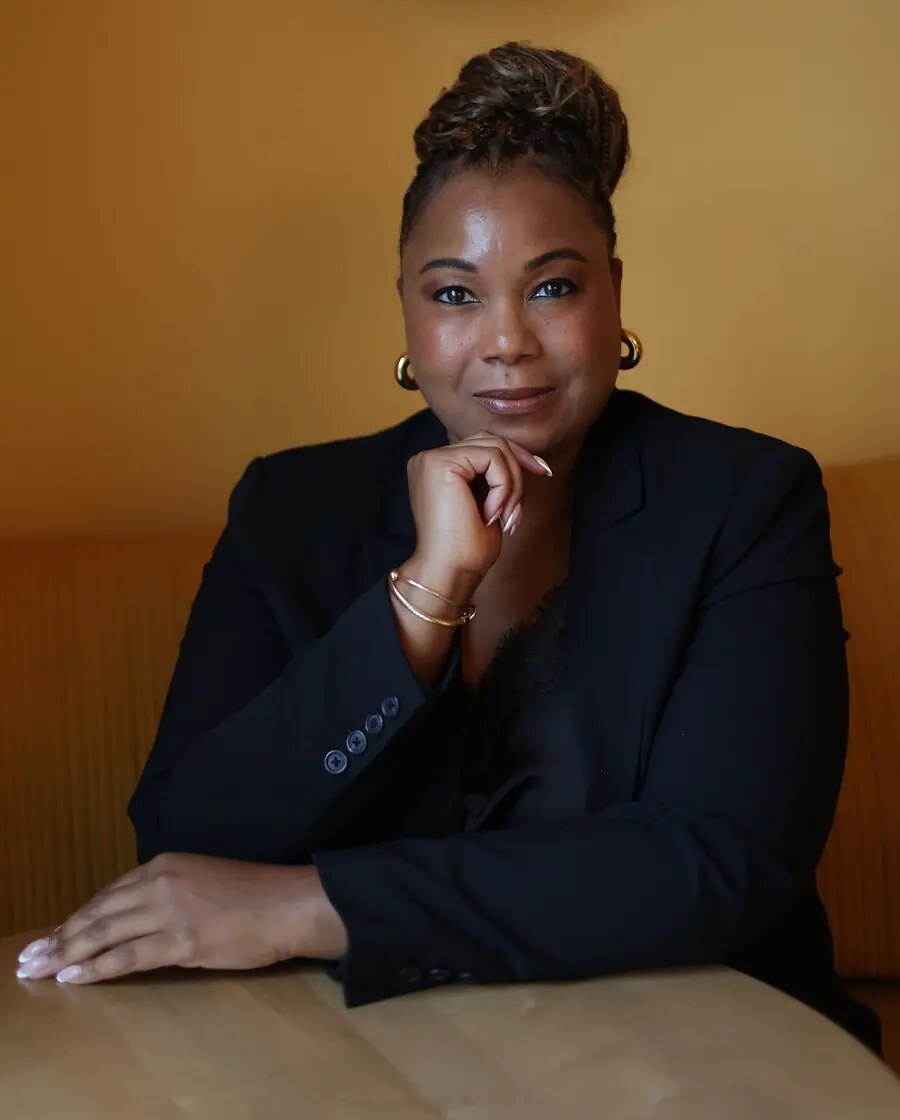
I remember speaking in front of my church as a little girl, even though I was afraid. My mother, a speech therapist, encouraged me to use my voice. But I was also teased for how I spoke, the words I mispronounced, and the way my voice sounded.
I did not decide to become quieter. It happened gradually. I became more conscious of how I sounded, more careful about what I said, and more comfortable letting other people speak first.
Years later, I recognized that pattern far from my childhood church.
I earned degrees, developed expertise, and built a career helping organizations make better decisions. Yet there were moments when I hesitated to speak up, second-guessed what I knew, or waited for someone else to recognize the value of my contributions.
I had a voice. I simply wasn't always giving myself permission to use it.
The Difference Between Being Capable and Feeling Seen
For much of my career, I found purpose in helping others succeed. I enjoyed the work behind the scenes: asking questions, making connections, solving problems, and helping people turn ideas into action. Those strengths are still part of who I am.
But somewhere along the way, being supportive became tangled with being invisible.
I could contribute to important work and still hesitate to advocate for myself. I could help others articulate their vision while putting my own ambitions on hold. I could recognize someone else's potential more easily than I acknowledged my own.
My accomplishments made the cost easy to overlook.
There is an assumption that confidence naturally follows credentials, experience, or achievement. Sometimes it does. But professional success does not automatically undo the messages we have absorbed about whose voices matter, who gets to take up space, or what happens when we are noticed.
You can be highly capable and still question whether you belong in the room.
You can be respected for your work and still struggle to speak about its value.
You can be the person everyone turns to for answers and still wonder whether you have earned the right to trust yourself.
I know because I have lived those contradictions.
When Staying Small Becomes Expensive
Shrinking does not always look like silence. Sometimes it looks like volunteering to do the work but letting someone else present it. Sometimes it means accepting an opportunity that no longer fits because you do not want to disappoint anyone. Sometimes it means telling yourself that if you just work harder, someone will eventually notice.
I have experienced moments of being overlooked professionally. And I have had to confront a difficult truth: while I could not control every decision others made, I did have a responsibility to examine the ways I was participating in my own invisibility.
That realization was uncomfortable.
It would have been easier to focus only on what others failed to see. But I also needed to ask myself why I had become so accustomed to staying in the background.
One conversation with my uncle became a turning point. I remember expressing my frustration that I seemed to be repeating the same experiences. I was tired of the pattern. Tired of recognizing it after the fact. Tired of waiting for something outside me to change.
Eventually, I had to ask a different question: What was I willing to change?
Finding My Way Back to Myself
Reclaiming my voice did not happen in one bold moment. It happened through a series of choices.
I began paying closer attention to what I wanted, not only what others needed from me. I became more willing to question expectations that no longer aligned with my values. I started recognizing that supporting other people's success did not require postponing my own.
That shift shaped my decision to build REL Strategies and eventually commit to it full time. It also influenced the development of my Return to Center™ leadership framework, grounded in reflection, self-awareness, and alignment.
For me, returning to center means noticing when I am moving away from what I know to be true about myself and making a conscious choice to return. It is not about being perfectly confident or never feeling afraid. It is about refusing to let fear make every decision.
I still value collaboration. I still believe in listening more than speaking simply to be heard. I still want other people to shine.
What has changed is that I no longer believe their light requires me to dim mine.
A Different Understanding of Voice
Recently, I shared parts of this story with a small group of fellow entrepreneurs. I spoke without a script. I talked about the little girl who learned to be careful with her words and the woman who had spent years finding her way back to them.
When I finished, I felt something I had not expected to feel so strongly: alive.
Not because I had delivered a perfect speech. Not because everyone agreed with me. But because I had spoken honestly, without editing myself down to what felt safest.
That moment reminded me that finding your voice is not necessarily about becoming louder, more polished, or more commanding.
Sometimes it is about being willing to say what you mean.
Sometimes it is about sharing an idea before you have rehearsed it ten times.
Sometimes it is about allowing yourself to be seen without apologizing for taking up space.
To the women who recognize themselves in this story, I want to say this: you do not have to wait until you have another credential, another title, or someone else's permission to trust what you bring.
Keep learning. Ask questions. Make room for other perspectives. But do not mistake humility for disappearing.
You do not have to shrink yourself to make room for others.
And you do not have to become someone else to find your voice. You may simply need to stop leaving yourself out of the conversation.