When the Last Witnesses Are Gone: Why Women Filmmakers Must Preserve Forgotten Histories?
Documentary filmmaking as a sacred responsibility to preserve the voices and testimonies of Roma survivors for future generations.

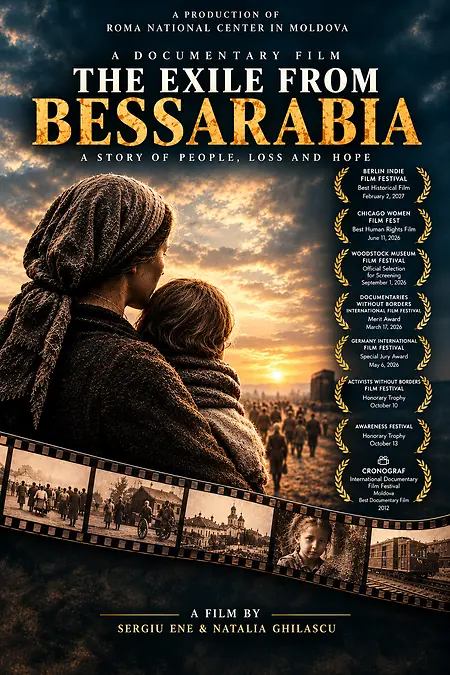
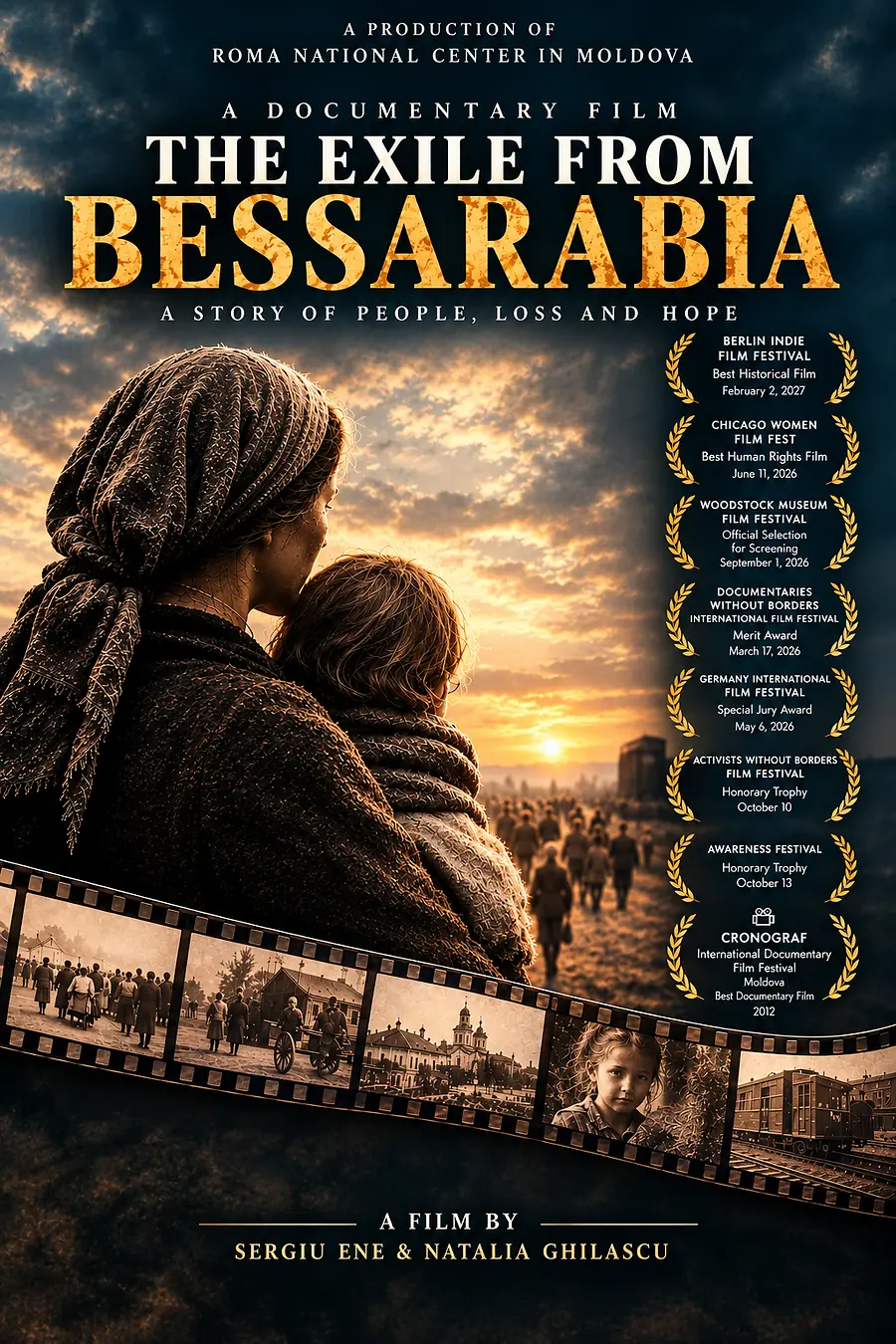
While producing The Exile from Bessarabia, a documentary about the persecution and deportation of Roma communities during World War II, I encountered testimonies that revealed not only historical suffering but also extraordinary resilience. Today, the survivors whose voices we recorded are no longer alive. Their memories, however, remain preserved through film. This experience strengthened my belief that documentary filmmaking is more than a creative profession. It is a responsibility to future generations.
In 1942, under Romania's wartime Antonescu regime, approximately 25,000 Roma were deported from Romania to Transnistria, a territory between the Dniester and Bug rivers in Eastern Europe that was under Romanian administration. At least 11,000 never returned, having perished from starvation, disease, and exposure to extreme cold. Behind these devastating numbers were families, children, mothers, and fathers whose lives were destroyed by hatred and discrimination.
While researching the documentary in Moldova, I encountered elderly Roma survivors who had carried painful memories for more than seven decades. Some had never shared their experiences, even with their own children, because the fear of discrimination and renewed persecution remained deeply rooted in their lives. The women's testimonies were particularly heartbreaking.
They spoke about sexual and physical abuse by soldiers, the humiliation of persecution, and the devastating loss of husbands and children. They remembered families torn apart, children dying from hunger and freezing temperatures, and relatives killed during the war.
As a woman filmmaker, listening to these stories was among the most difficult responsibilities I have undertaken. I realized that documenting trauma requires more than technical skills. It demands patience, empathy, historical accuracy, and the ability to create a space where survivors feel safe enough to speak. Our responsibility was not to dramatize their suffering, but to preserve their experiences with dignity.
The documentary's historical relevance was further reflected in a 2016 report published by the International Holocaust Remembrance Alliance (IHRA), The Genocide and Persecution of Roma and Sinti. The publication referenced The Exile from Bessarabia in its discussion of documentary films examining national and regional histories of Roma persecution. It also identified the limited number of films addressing the Roma Holocaust and the broader lack of public awareness surrounding this history. For me, this reference reinforced the importance of preserving testimonies from a community whose suffering had remained underrepresented in documentary filmmaking and public historical memory.
While producing the film, I spent months examining historical documents in Moldova's national archives and collaborating with Roma community representatives to identify survivors willing to share their experiences. Originally awarded Best Local Documentary at Moldova's Cronograf International Documentary Film Festival in 2013, The Exile from Bessarabia gained renewed international recognition in 2026 through screenings and awards across the United States and Europe. Its honors include Best Human Rights Film at Chicago Women Film Fest, Best Historical Film at Berlin Indie Film Festival, a Merit Award at Awareness Festival in California, and a Special Jury Award at Germany International Film Festival.
The true legacy of documentary filmmaking is not measured solely by festival awards or international recognition, but by the voices we preserve and the understanding we leave for future generations. Yet the most meaningful recognition comes when someone approaches me after a screening and says, "I never knew this happened." I believe women filmmakers have an essential role in documenting histories in which women's experiences have too often been overlooked.
Women are not merely witnesses to historical events. They are survivors, guardians of family memory, and powerful voices in understanding how violence affects entire generations. When the last witnesses are gone, their stories must not disappear with them.
When I began filming these survivors, I could not have known that their testimonies would one day become some of the last surviving records of their experiences. Today, I see this work as a responsibility to history. As women filmmakers, we have the opportunity to challenge silence, recover overlooked perspectives, and ensure that stories once pushed to the margins become part of our collective memory. The witnesses may be gone, but their voices must never disappear.

Natalia Ghilascu is an internationally recognized journalist, award-winning documentary filmmaker, and media entrepreneur with more than 15 years of experience in journalism, television production, and digital storytelling. Based in Chicago, she serves as a Digital Media Producer at HORA Inc. and is the founder and publisher of HORA in America, an independent media platform celebrating the stories, achievements, and…