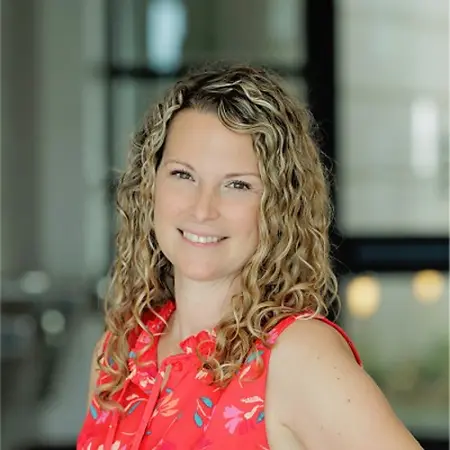
Her Story
About Julie
When I was a kid, I always wanted to be a doctor or a nurse and would play with my animals pretending I was taking care of them. That passion stayed with me through nursing school, where I graduated in 2007 from Pensacola Christian College. After working on the floor for a couple years, I moved into teaching because I enjoyed it, and taught pediatrics for about 5 years. During that time, I went back to school to become a nurse practitioner because I liked the approach and wanted more flexibility to spend time with my family without the pressure of paying off as many loans or running a department. While in NP school, I was involved in a really bad car accident. I was
hit by a drunk driver and almost died. I spent about a year in recovery and in a wheelchair. However, with a strong support system I was able to finish my degree doing clinicals while sometimes still needing to use a cane, going to therapy three days a week and still working part-time. I graduated in 2013 and got certified in 2014. I started in pain management with adults, but when a job opened up at Nemours for pediatric urology, I jumped at the opportunity because pediatrics was really my passion. I specialized in urology, did a lot of reading and studying, and went to several conferences to learn the specialty. While there, I developed a continence clinic with the GI nurse practitioner to help kids struggling with incontinence and frequent UTIs, which made a huge difference in their lives. I also started working with a nephrologist and fell in love with nephrology. About 3 years ago, I transitioned to doing pediatric nephrology full-time. I switched to Sacred Heart Hospital (Ascension), and eventually ended up back with Nemours. Right now, we don't have a full-time nephrologist here, so I am the only nephrology provider most days, seeing patients from Alabama, Georgia, and across Florida. I also precept students because I have a passion for education and want to train providers to see the whole person, not just the physical symptoms.
Her Interview
Ten minutes with Julie
01What do you attribute your success to?
I think my most notable achievement was finishing my nurse practitioner degree after being in a really bad car accident where I got hit by a drunk driver and almost died. I spent about a year in recovery and in a wheelchair, and I was still using a cane while doing clinicals. To be able to finish my degree in the midst of all that trial and journey gives me pride in what I do now, knowing that there's a lot I can accomplish. I was doing three days of therapy on top of going to clinicals, on top of working a job, and it was just a big feat to overcome. That experience, along with my faith in Christ and the support system I had with my church, really got me through and shaped who I am today. It taught me resilience and showed me that I could push through even the most difficult circumstances.
02What advice would you give to young women entering your industry?
I would say, one, find something that you love and that you're interested in. Being a nurse practitioner has its challenges. Sometimes we have to be able to stick up for ourselves, we have to know our value, and we have to know what we need. We've got to keep being diligent and keep learning more about our field because it's ever-changing. But being a nurse practitioner is a wonderful thing. We have the opportunity to help other people and to truly make a difference in lives. I also want to be available for young nurse practitioners coming into the field to help, to give advice, to help guide them in directions they should go, ways they should look, and help them understand the potential they have.
03What are the biggest challenges or opportunities in your field right now?
I think the biggest challenges are the lack of providers. There's just not enough of us. I'm having patients from Alabama, from Georgia and of course Florida because there's not an abundance of pediatric nephrologists. On the nurse practitioner side, I think we can be a great benefit in pediatric nephrology, but there's not education out there today to help nurse practitioners feel prepared to come into this field. And there's no time for the doctors to teach because they are so overwhelmed with patients that are needing care. So one of our biggest challenges is not having enough providers and not having the right education for nurse practitioners to step in and fill some of that gap. I'd really like to see nurse practitioners developing residency programs or fellowships for us to go into specialties, because we get a very broad overview in primary care, but when I went to specialize in urology and nephrology, I had to spend hours and it took me a couple years to really feel confident in myself in the field.
04What values are most important to you in your work and personal life?
In my work, making sure we care for the whole person is most important to me. We need to listen to what the patients and the families are telling us and become a part of their team in caring for their children. I think we need to look at the whole child and not just try to do a quick fix, but see what's underlying. So many times we look at the behavior and not what's underlying it. I think we need more providers who will look at what could be contributing to these outward behaviors and give these kids empathy, love, and understanding. In my personal life, I carry those same values. With my own children, who are both adopted, I think about considering the whole child, their past trauma, ADHD, and other things that often get missed instead of looking at all the things that could be contributing. I think medications are helpful, but not always the first go-to. Having providers who can sit down and walk through what's going on, listen, and give advice is so important.
Join Influential Women and start making an impact. Register now.