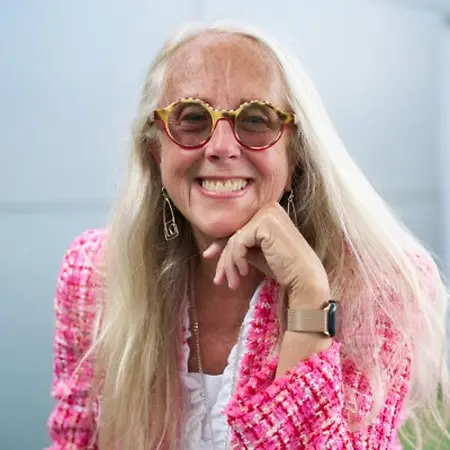
Her Story
About Mary
My father died when I was young, and that experience propelled me to become a physician. His death left me with questions, and I realized the best way to deal with that was to explore forensic pathology in my career so I could provide answers for others who had lost loved ones. I became a forensic pathologist in 1987 and worked in the field identifying injuries that could be prevented, including dangerous 5-gallon buckets for toddlers, airbag injuries in very short drivers, and carbon monoxide from boats that can kill swimmers. I did a lot of mass disaster work and worked for the federal government for 20 years in their Disaster Mortuary Operational Response Team, going to all the major disasters of the late 90s and 2000s. I worked at the World Trade Center at Ground Zero for 3 weeks and was in Thailand when the tsunami hit the Andaman Sea, representing the United States as the medical examiner there. When I left government work probably 15 or more years ago, I was re-energized by writing about my experiences in the field. I've written two books and am in the process of writing a third. That education I had in learning about death and what death can teach the living led me to want to tell others about it through my stories of my life and profession. I'm proud to represent myself as a woman in the field when it was difficult starting out that way, but I had great mentors along the way that helped me integrate successes from men and women to be where I am. I do a lot of lecturing and speaking at libraries and book clubs and other events about my books, but they are more than just about my books - it's about my take on life and death, and what the dead have to teach us, what we can learn from them, how we can live better lives by integrating some of these lessons into our lives.
Her Interview
Ten minutes with Mary
01What values are most important to you in your work and personal life?
I believe it's not only important to catalog death, but to use it to help the living. I hope people can see the value of studying death - that it not only helps in the individual case, it might help the family understand what disease is present, or how the trauma came about, or what caused their loved one to die, but it helps in a community-wide sense. If we can recognize dangerous situations, we can prevent that in the future. If we can talk about the domestic violence we're facing in this country, we can maybe get to the other side of that and not keep pushing it aside and pushing it into the closet. I believe in looking at things with a scientific eye, but then trying to deal with them on this community level. My mentor Dr. Robert Kirschner gave me such a broad background through his empathy, his sense of justice in looking at cases where people die in custody, and in looking at human rights abuses around the world.
Join Influential Women and start making an impact. Register now.