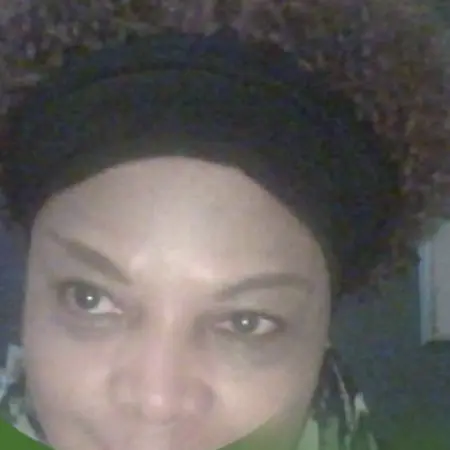
Her Story
About Phyllis
I've dedicated my life to education and preserving the rich African American history of my community in Phillips County, Arkansas. After starting as a Head Start trainer in the mid-1970s and teaching in El Paso, Texas, I spent years as a Head Start Training Officer covering five states, working primarily with staff who work with parents and families. I pursued doctoral studies at Southern Illinois University in Carbondale, but had to leave due to my parents' illness and racism. I became a private education consultant working with early childhood programs nationwide through federal government subcontracts, and spent 17 years with Teaching Strategies Incorporated, one of the premier international curriculum companies based outside DC. I also evaluated Head Start programs across the nation and Puerto Rico. After my parents passed, I co-founded a nonprofit with other educators to address the lowest literacy rates almost in the nation in our community. We distribute books to children at every opportunity and encourage parents to read to their children. We've also added preserving African American history to our mission because this community is so rich in history but no one was documenting it. My mother was a history teacher who told me stories about her formerly enslaved grandson and others, which sparked my interest in history as early as a young age. Now we're in a former historically Black high school that we literally fought to get, and I was instrumental in helping get it on the National Registry of Historic Places. I've initiated a museum and history place in the historical building, organized the 100th anniversary celebration of when Eliza Miller bought land to build a high school for African Americans, with alums coming from 17 states. I'm working on multiple projects including creating a literacy park honoring Eliza Miller, getting historical markers, and preparing to tell the story of the Black experience in the American Revolution for the 250th anniversary. I received the Presidential Volunteer Service Award from President Biden for my volunteer hours and community work.
Her Interview
Ten minutes with Phyllis
01What’s the best career advice you’ve ever received?
The best career advice came from my mother, who told me to always be honest and truthful and work hard. My mother worked hard at everything she did, and that's what she wanted her children to do - to be honest, truthful, and work hard. But maybe the best advice she gave me was that wherever I went, she said always find your church, hook up with your sorority, and find a mentor, somebody like a mother. I did that wherever I went, and that helped me in my career and in my personal life.
02What advice would you give to young women entering your industry?
I tell young women the same things my mother taught me. I grew up in racism and segregation, so we knew our place, but we also knew that as Jesse Jackson would say, I am somebody. That's what my mother taught me. I'm mentoring a couple of women now, and even though we live in a rural community that's racist, they still don't know it when they see it because they grew up in a mostly integrated school district. So I'm helping them understand that racism is in existence and there are warning signs they need to tend to. Be true to yourself. Do not let someone crush your dreams. Do not allow someone to make you feel like you're nobody. Get as much education as you can. Read, read, read - I read everything. You cannot be in your profession and not know what the latest trends are, what has happened historically. You've got to have that knowledge. You got to learn, you got to respect all people. Learning is the learner's responsibility. You've got to be aware of your surroundings, especially for women of color, so that you are not being mistreated or disrespected. You are somebody. And treat others like you want to be treated. I tell young women they need to go back to school, get more education, because this country is built on what kind of degree, especially in certain disciplines, that you need to have. I tell them you are my daughters, no matter what color they are.
03What are the biggest challenges or opportunities in your field right now?
The biggest challenge is how to help my community and help the children with their literacy rates. I've been working with the school district volunteering, helping them get grants and select appropriate curricula to help parents know their roles in a child's education. We have a lot of young parents and we have to meet them where they are, and that's not always easy. Many educators don't understand that - they want to say 'well, I did this,' but no, it's a different time. Getting people to volunteer is a struggle because we don't have money to pay people to work. You have to have that compassion yourself. Personally, people see me as a radical because I'm an activist, and when they want to remain silent, I tell them I don't have checks, child, no money, honey, but I have God, I have faith, and being for people. Getting people to speak up and out for themselves, their children and their families is difficult. When things are not fair, I will ask them if they want me to help them. It's just finding volunteers, helping parents understand their value, and dealing with people who don't understand me. After living in different places, when I came home it was more or less a culture shock because it hadn't changed much. I saw things that needed to be done, and when I could not get any help, I just went on and did them. Getting grants is another challenge - sometimes grants are so political around here. You can apply, you have all these things you've done or doing, and it's very competitive, but we also know it's racist in some cases.
04What values are most important to you in your work and personal life?
The values most important to me are respecting all people and respect in general. Going back to my mother, she believed in that. When she passed, my cousin said 'I want you to remember your mother was an angel.' She was Christian, but fair. She was like Jesus - she would flip tables in the temple when she thought something was not correct. So I have that value. As Maya Angelou said, and I'm paraphrasing, believe a person when they show you themselves. That's what I believe - when they show me who they are, and it's not based on respect of all people, is not based on treating people the way you should be treated, the way you want to be treated, then I walk away. That's worked with me in my personal and professional life most of the time.
Join Influential Women and start making an impact. Register now.