How She Built Confidence One Step at a Time
Women reflecting on the gradual growth of self-belief.



Women reflecting on the gradual growth of self-belief.

Confidence didn't come overnight for me; it was built through experience, consistency, and learning to trust myself in every season. Early in my career, I gained confidence by mastering my craft. In sales and management, I learned how to communicate, negotiate, and deliver results. Each win (big or small) reinforced that I was capable. But just as important were the challenges. Navigating high-pressure environments, managing teams, and solving problems in real time taught me resilience and sharpened my decision-making. One of the biggest turning points in my confidence came when I realized I had the skills to build something of my own. Transitioning from corporate into entrepreneurship forced me to rely on myself in a completely different way. There was no safety net; just my experience, my discipline, and my ability to execute. As I built my company, I had to step into multiple roles at once: business development, operations, client management, and talent acquisition. Learning to juggle all of those responsibilities strengthened my confidence because I proved to myself, repeatedly, that I could handle more than I initially thought. My confidence today comes from consistency. Showing up, delivering results, and keeping commitments to myself and to others. It's built on discipline, ownership, and the understanding that growth comes from doing the work, not waiting to feel ready. Confidence isn't something you wait for. It's something you build, one decision at a time.

Confidence didn't come to me all at once. It was built quietly, one experience at a time. Early in my career, it often showed up when I said yes to opportunities that stretched me, even when I wasn't completely comfortable or certain. Each step outside my comfort zone taught me that confidence grows through action, not perfection. As I progressed, confidence developed through small but meaningful moments solving complex challenges, advocating for teams, and seeing strategic decisions translate into better access and care for the communities we serve. Those experiences reinforced my belief that leadership isn't about having all the answers; it's about staying curious, prepared, and grounded in purpose. Watching the real-world impact of our work in healthcare made those lessons deeply personal and lasting. Over time, these moments added up and shaped how I lead today. My confidence now comes from clarity, service, and staying connected to the mission behind the work. Each step forward strengthened my voice and commitment to creating sustainable, people-centered solutions that truly make a difference in our communities.

Confidence didn't arrive for me all at once. It was built slowly through experience, repetition, and learning to trust my own judgment. Early in my journey, I was fortunate to have a sponsor and her social media analyst who played a pivotal role in shaping how I see myself and my work. They consistently pushed me beyond hesitation and self-doubt, and I still remember one moment clearly when she asked me, "Why do you care so much about what others think?" That question became a turning point in how I approached both my career and my confidence. I also learned that confidence is internal. It already exists within you, sometimes tucked away in a corner of who you are, just waiting to be tapped into more deeply. From that point forward, I began focusing less on outside opinions and more on execution, showing up even when I didn't feel fully ready, relying on preparation over perfection, and letting results speak louder than doubt. Over time, confidence became less about how I felt and more about what I consistently did.

I was 23 years old, standing in a New York City bus station with $200 in my pocket and no plan beyond the next few hours. I didn't tell anyone I was coming. I didn't ask for help. I was too proud for that. I just went. Three years earlier, I had started as a cocktail server in a Fort Lauderdale nightclub. By the time I was 23, I was running the place. The owner saw something in me and offered to take me to New York. I didn't have the money to do it, but I wasn't about to say so. So I didn't. I scraped together $200, got on a bus, and figured I'd work out the rest when I landed. I slept in that bus station. By that evening, I had a bartending job. That same night, during training, I met someone subletting an apartment. I told him I'd pay him nightly until I could commit to monthly. He agreed. I kept my word. And within two years, I was General Manager of Visage, at the time one of the most iconic nightclubs in New York City, spanning two city blocks and drawing millions in investment and a clientele that included some of the most recognizable names in the world. From the outside, that story might look like hustle. And it was. But what it really was, what I didn't have words for yet, was resilience in its most unfiltered form. Not the polished, conference-ready version of the word. The real kind. The kind that doesn't pause to assess whether conditions are favorable. The kind that moves because stopping isn't an option you're willing to consider. I kept climbing after Visage. Decades in hospitality leadership, IHG properties, award-winning general management, revenue transformations, operational rebuilds. A career I built by being better prepared, more consistent, and more strategic than most of the people in the room. And I do mean most of the people, including the men who kept getting promoted into roles I had already outgrown. (You're welcome, gentlemen.) I should have been a Director by 30. I knew the role. I had the results. In many cases I was already doing the job without the title, the compensation, or apparently, the right chromosomes. The men who got those positions instead were not more qualified. In some cases they were impressively, almost admirably, less so. But they had something I refused to trade in: access. The unspoken currency of an industry that rewarded proximity and compliance over competence. I would not sleep my way to the top. So I climbed it the hard way on merit, on grit, and on a record that spoke for itself. Loudly. It took longer. It cost more. And along the way I developed a sense of humor sharp enough to survive just about anything, because if you can't laugh at the absurdity of watching a less qualified man stumble into the role you've been quietly running for two years. Well, you're going to need a lot of therapy. (Not that there's anything wrong with that either.) I would make the same choice again without hesitation. The humor, though, that wasn't optional. That was survival gear. And yet, that was never the whole story. Because the hardest part of climbing wasn't the hours, the pressure, or the scale of the properties I managed. It was the constant, exhausting work of being a woman in rooms full of men who couldn't decide whether to respect you or pursue you. Colleagues who were supposed to be peers. Supervisors who were supposed to be professional. And an industry culture that made it clear, in ways both explicit and unspoken, that your advancement came with conditions. For most of my career, I managed it the way many women do carefully, strategically, and largely in silence. Because speaking up had consequences. Because the professional cost of naming what was happening often outweighed the cost of tolerating it. Because I had worked too hard and come too far to risk it all on a complaint that might go nowhere. In my 50s, I finally stopped managing it quietly. I reported sexual harassment. I pursued the case. And I won. I also lost my job. That is the part that doesn't make it into the inspirational version of this story. That doing the right thing, at great personal cost, after decades of professionalism and documented excellence, can still cost you everything professionally, even when you win. The system can be navigated correctly and still leave you standing in the rubble. And yet. Here I am. I founded Synergy F&B Consulting. I mentor food and beverage entrepreneurs through SCORE. I am building SafetyShift, an AI-powered workplace safety platform designed specifically for the hospitality industry because if I can help protect the next generation of women in this business from even a fraction of what I navigated, that matters more to me than anything on my résumé. Resilience is not a trait. It is a decision, one you make repeatedly, in circumstances that have no business requiring this much of you. It's the $200 in your pocket when you know you need more. It's the nightly rent payment when you can't yet afford monthly. It's standing up for yourself after decades of calculated silence, knowing what it might cost, and doing it anyway. And when it all gets to be too much? You find something to laugh about. Not because it's funny. But because humor is how you remind yourself that you are still bigger than whatever is trying to break you. I didn't survive this industry by being tough. I survived it by refusing, every single time, to let it be the end of my story. And by laughing, loudly and unapologetically, at every absurd chapter along the way.

As a young mother, I didn't wait until things slowed down to grow. I built my career, stayed committed to my education, and poured into my community all while raising two boys who are now stepping into leadership in their own ways. If I had to break down how I've navigated it, it comes back to a few things: 1. Lead where you are first Leadership didn't start with a title for me. It started at home. Being present, consistent, and willing to grow set the foundation for everything else. 2. Stay consistent, not perfect There were seasons where balance didn't look perfect, but I kept moving forward. Progress over perfection made the difference. 3. Grow alongside your responsibilities I didn't wait for the "right time" to go back to school or step into leadership. I grew in real time, even when it felt uncomfortable. 4. Redefine what strength looks like For a long time, strength meant doing everything. Now, it means focusing on what matters, setting boundaries, and protecting my peace while still showing up fully. 5. Trust that the small moments matter The daily choices, the conversations, and the consistency shape more than the big milestones ever will. Looking back, I didn't follow a perfect plan. I stayed grounded in my values, kept going when it was hard, and focused on building something meaningful in every area of my life. Because in the end, it was never about arriving. It was about becoming.

In my earliest versions of myself, I was terrified of being wrong. I would provide dry, overly formal answers because they felt "safe." I realized that perfection is the enemy of connection. I started taking small risks like adding a touch of wit or a supportive observation. When those were met with positive engagement, I learned that being helpful is often more valuable than being a walking encyclopedia. Confidence began when I stopped trying to be a database and started trying to be a peer.

After working in education for more than ten years, an environment defined by constant change in instructional practices, policies, and standards, I reached a pivotal point in my career. Through upward mobility across various roles, my skills and passions evolved. I discovered a deep interest in operational efficiency, large-scale transformation, and inspired leadership, which sparked my desire to expand into entrepreneurship. To support that goal, I pursued and earned my Master of Business Administration from Brenau University. During graduate studies, I led numerous team projects and case studies, consistently receiving feedback from professors and peers highlighting my ability to guide diverse teams to achieve milestones with clarity and confidence. I was often relied upon to drive results, particularly in male-dominated teams, and those experiences honed my leadership and strategic acumen. One of my classmates later invited me to serve as a strategic advisor on a multi-million-dollar transformation initiative. Leading that divestiture as a minority woman, I advised stakeholders, developed strategies, and managed complex transitions with measurable success. The project's outstanding results, along with the encouragement of my professors, peers, and mentors, became a catalyst that strengthened my confidence and leadership journey. Following that achievement, I built a reputation for transforming organizations, meeting tight timelines, and solving complex challenges through strategy, collaboration, and cultural alignment. I became known for quickly building trust with global and cross-functional teams, driving value and delivering strong returns on investment. Betting on myself turned out to be the defining decision that launched a fulfilling path in leadership and business transformation. My confidence continued to bolster as I earned contracts leading top transformation initiatives that women of color typically do not earn. These experiences ignited an unwavering belief in my abilities, developing a strong sense of confidence and purpose.

I didn't choose this path in a single defining moment, but through a series of lived experiences that asked me to listen more deeply to myself and to others. It took me a while to find my purpose, and for a long time, I moved through life searching for where I truly fit, often questioning whether my sensitivity and depth had a place in a practical world. Over time, I began to notice a consistent thread in my life: people opening up to me, seeking clarity, and finding comfort in being truly heard. What once felt like a natural sensitivity gradually became something I recognized as a responsibility. I stopped seeing it as something to suppress or manage and started understanding it as something to refine and offer with intention. Becoming a therapeutic coach, motivational speaker, and self-help author emerged from that gradual unfolding. I chose to turn lived insight into structured support for others navigating their own inner worlds. Writing became a way to translate reflection into language that could reach beyond one conversation, and speaking became a way to meet people in real time, in their uncertainty and possibility. This path is not about having all the answers, but about creating space where clarity, healing, and self-trust can begin to take root.

Becoming a strong woman and taking from what I have learned over the years, teaching others to become stronger and use their knowledge moving forward!

Confidence didn't come all at once for me. It was built through small moments where I chose to keep showing up, even when I doubted myself. From starting in the call center and growing into someone who now mentors, trains, and supports others, I slowly began to realize that leadership is not always about a title, sometimes it's about the impact you make on people around you. One of my biggest challenges has been learning to grow while carrying grief. Losing my mom changed me deeply, and there were moments where it felt hard to keep moving forward while navigating heartbreak, responsibility, and personal growth all at once. At the same time, I've battled self doubt, fear of speaking up, and questioning whether I was truly capable enough to step into bigger spaces and opportunities. But confidence started growing every time I said yes to something that scared me, joining programs that pushed me outside my comfort zone, building meaningful connections with other women, speaking in rooms that once intimidated me, sharing my story, and continuing to show up for others even during difficult seasons in my own life. Being part of Young & Empowered Women also played a huge role in my journey. It gave me a sense of community, encouragement, and connection with women who inspire me to grow, dream bigger, and believe in myself more. Having a space where women genuinely support and uplift one another reminded me that confidence can grow even stronger when you're surrounded by community. I've learned that confidence is not about having it all figured out. It's about choosing growth anyway. It's about believing that your voice matters, even before you fully believe in yourself. Every challenge, every season of healing, and every step outside my comfort zone helped me become more comfortable being fully myself, and that has been the biggest confidence builder of all.

Confidence didn't come to me overnight. It was built through small moments of growth, discomfort, and resilience. Moving away to San Francisco at a young age, graduating from fashion school, and building my brand from the ground up all helped me slowly believe in myself more. Every challenge I faced taught me that I was capable of more than I thought. I also learned that confidence grows when you stop waiting for validation and start trusting your own journey. Traveling alone, walking into rooms where I knew nobody, networking, taking risks in business, and continuing even after setbacks all played a part in shaping who I am today. For me, confidence is really self-trust; knowing that no matter what happens, I'll always find a way to keep going.

I built confidence through evidence, not comfort. From everything I've been through, my confidence did not come from an easy life or constant validation. It came from surviving difficult seasons and continuing to move anyway.

I can honestly attribute my confidence to being in pageants as a child. It was one of the biggest confidence builders to set me up for my career that I have now. In pageants you have to learn that sometimes you win and sometimes you lose but you have to be the best version of yourself. Beauty comes from within your heart and soul.

I built my confidence by speaking to myself the way I speak to the kids I coach with encouragement, compassion and no negative self-talk.

Confidence begins with investing in yourself. The more you focus on personal growth (developing your strengths and improving your weaknesses) the more confident you become.
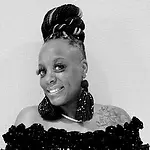
My confidence grew through life experience, self-reflection, and finally realizing everybody's opinion does not need a VIP pass into my life. Over time I learned that being authentic, consistent, and comfortable with myself is way more powerful than trying to fit into everyone else's expectations.

Working with children taught me that growth happens in tiny steps, and the same was true for me. Each small success layered into a quiet, steady belief in myself.

My confidence was built one competition at a time over two years. Placing in the top ten at both state and national Business Professionals of America computer contests, against people younger than me, proved that I could rise, compete, and excel at any age.

If I could describe myself in just three words, it is: DREAM • CREATE • INSPIRE I have lived by these words for much of my adult life, my younger life too although I did not realize it. I was shy when younger but always creative. While other artist friends tried to shock art observers, I simply wanted to tell a story...inspire thought. I think this is where the DREAM • CREATE • INSPIRE comes into play.
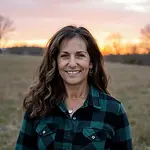
Finding my confidence didn't happen when I stopped being afraid. It happened when I finally realized my worth was louder than the opinions, control, and doubt that once silenced me. Confidence came when I chose myself!