When She Realized She Had Something Valuable to Offer
Women reflecting on the moment they recognized their expertise.



Women reflecting on the moment they recognized their expertise.

The funny thing is… I thought what I knew was basic. Turns out, it's only basic to the person who had to learn it the hard way. For a long time, I downplayed what I knew because it came naturally to me. I wasn't seeing it as expertise; I was seeing it as "this is just what you're supposed to know." But I started noticing something. The things I could identify quickly… the patterns, the problems, the solutions… weren't obvious to everyone else. People were getting clarity from conversations that felt normal to me. That's when it clicked. What feels basic to you is often the result of lived experience, hard lessons, and repetition. It's not basic. It's built.

When my Aunt Roxanna was battling lung cancer and going through chemotherapy, I witnessed firsthand the emotional impact of hair loss. It wasn't just about hair; it was about identity, confidence, and self-worth. Supporting her during that time opened my eyes in a completely different way. It made me realize that what I do isn't just beauty—it's healing. It's restoration. It's helping people reconnect with themselves. That experience led me to specialize in hair loss solutions, and it gave deeper meaning to my work. Over time, I stopped underestimating my experience because I realized it wasn't just about years in the industry, it was about impact.

There wasn't one big, dramatic moment where I suddenly realized I had something valuable to offer. It was quieter than that. For a long time, I measured my value based on outcomes that felt inconsistent. I could deliver results for clients. I could build strategies that worked. But when it came to my own business, especially in the early stages, there were moments of uncertainty. Months where things felt tight. Times where I questioned whether I was doing enough, or whether I was as capable as I believed I was. Because of that, I underestimated what I actually knew. The shift started to happen when I began working more closely with founders and business owners who were struggling with things that had become second nature to me. Lead generation, sales conversations, building systems that actually convert. I realized that what felt "basic" or "obvious" to me was not obvious to them at all. I remember one specific conversation with a client who told me, "You're explaining things in a way no one ever has before." That stayed with me. Not because it was praise, but because it made me pause and look at my own experience differently. I started to recognize that my value was not just in what I knew, but in how I thought. In how I approached problems, how I simplified complexity, and how I helped people move from confusion to clarity. Another important shift came from understanding that experience compounds quietly. I have over 20 years in B2B sales, working with organizations at every level, from large multinational companies to smaller, growing businesses. For a long time, I saw those experiences as separate chapters. Eventually, I began to see how they connected. The patterns, the decision-making, the way revenue is actually built and sustained. Those were things I had been developing for years, even when I wasn't consciously thinking about it that way. What helped me see my expertise differently was not a single achievement, but a series of realizations: That what feels easy to you is often valuable to someone else That consistency in experience matters more than isolated wins And that you do not need to feel fully confident to be capable I also had to let go of the idea that validation would come first. For a long time, I believed I needed more proof, more certainty, or more external recognition before fully owning what I brought to the table. In reality, the recognition came after I decided to own it. Now, I see my work not just as providing a service, but as helping people access clarity and confidence in areas where they previously felt stuck. And I recognize that the depth of that comes from everything I've experienced, not just the moments that looked successful on the outside. Looking back, I didn't suddenly become valuable. I just finally started to see that I already was.

For years, I had been focused on doing the work: showing up, giving more, and pushing through. Like many women in caregiving, I didn't pause to recognize the full weight of what I brought to the table. That shift came when I realized people weren't just relying on me for care; they were relying on me for leadership. Families looked to me for guidance in their most vulnerable moments. Colleagues turned to me for direction in high-pressure situations. What felt natural to me (compassion, clinical judgment, and the ability to lead with calm and clarity) wasn't something everyone could offer. That's when it clicked. I wasn't just participating in healthcare. I was elevating it. Recognizing that changed everything. It gave me the confidence to stop working within a system that limited care and start building something that could redefine it.

There was a moment when I began to recognize the value of what I brought to the table. While I always knew that my work in college access, enrollment, and student success was important, hence why I have loved the higher education industry, it was not until I was working on my doctoral degree that I realized I was an expert and making a difference. Up until then, I knew my responsibilities for the job, I did them happily and gave it everything I had for over fifteen years, but I did not know the impact. During the span of four and half years that it took to complete my degree, I had the opportunity to reflect on my practice, leadership style, and accomplishments, as I worked on my courses, dissertation, and research. This forced me to look inwards at how I was helping students move forward in their education and the ways I was supporting their goals to succeed and to feel seen. It was then that I realized my experience and work mattered, that I knew my craft, and that I WAS an expert, something that I struggled with previously, as I second guessed myself at times. I learned that what I do matters and it inspires others to reach their goals; I could change someone's life. This is extremely powerful and something I do not take lightly as I continue to support the college journey of thousands of students each year. I would say to others, see your impact, really see it, do not be afraid to give yourself credit for all you do, and be proud of yourself, you are making moves even when it does not even feel like it, own what you do.

There was a moment when I realized that my experiences, struggles, and perspective were not things that made me "less than," but actually things that allowed me to connect with and support others in a meaningful way. Growing up on the autism spectrum, I spent many years feeling underestimated and questioning whether I was capable enough to succeed in the field I was passionate about. I had people tell me I should change my major or that I was not fit to become a therapist, and for a long time those opinions stayed with me. What changed for me was working directly with people in mental health, education, and direct support services. I began to realize that empathy, patience, emotional understanding, and lived experience are incredibly valuable qualities. Some of the moments that impacted me most were not huge accomplishments, but small moments where someone felt heard, safe, or understood because of the support I was able to provide. I also began reflecting on the people who believed in me throughout my life, especially my mother, teachers, and mentors who reminded me that my diagnosis did not define my potential. Their encouragement helped me recognize that resilience, compassion, and authenticity are strengths, not weaknesses. Today, as I continue pursuing my Master's degree in Clinical Psychology and preparing for my future career as a therapist, I see my experiences as something that allows me to advocate for others, particularly individuals on the autism spectrum and those navigating mental health challenges. I think many women underestimate how much value can come from simply being genuine, compassionate, and willing to keep going despite obstacles. Sometimes the things we were once insecure about become the exact things that allow us to help others the most.

I began to recognize my expertise when I stopped viewing my work as "just project management." The real value was my ability to walk into complex, stalled environments, see what others were missing, and bring structure, communication, and trust back to the table.
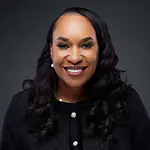
For years, I viewed my work as simply "doing my job" until I realized that the strategies, compassion, and leadership instincts I had developed were transforming teams, cultures, and people's lives. The moment I truly recognized my value was when others began seeking my guidance not just for HR expertise, but for executive leadership, wisdom, encouragement, and leadership rooted in humanity. I learned that experience is not just what you've done, it's the impact you leave behind.

Never shrink your vision to fit others. Own your stage unapologetically. When nobody believes in you, believe in yourself even more. And once you prove it, remember, not everyone deserves access to your journey. Not everyone is going to level up with you and that's okay. Let them go, and keep rising.
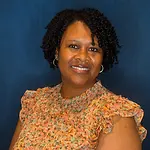
After being laid off and spending time in prayer about my next steps, I realized my passion for accounting and helping others never left. With over 16 years of experience, I chose to build a business where I could use my expertise to support individuals and small businesses while creating the kind of positive, people-focused work environment I believe future employees deserve.
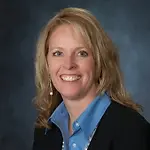
I realized my experience was valued when my CEOs refused to sign anything without my initials showing I had reviewed and approved it.
I realized my value when I noticed how many people shut down from difficult conversations while I kept leaning into understanding, repair, and growth. Being willing to have honest conversations, even at the risk of being misunderstood or called abrupt, pushed me to grow in ways that became a gift that I get to share.

After five years of profound personal loss, I realized that joy isn't something that happens to you. It's something you build, deliberately and defiantly. That's when I understood that everything I knew about brand storytelling was actually preparation for this moment.

The moment I stopped trying to sound like everyone else in tech was the moment I found my voice. My background in hospitality, motherhood, leadership, and resilience was what I had to offer that no one else did.

I think the moment I stopped looking for external validation and started looking at my own track record, everything changed. The evidence was always there....I just had to be the first one to see it.

I realized my experience was viewed differently when both internal and external team members began looking to me for guidance and answers. It was an unexpected shift, one that brought a sense of validation and, if I'm honest, a bit of fear. I was now front and center: presenting, negotiating, and finalizing settlements, where I had once worked behind the scenes.