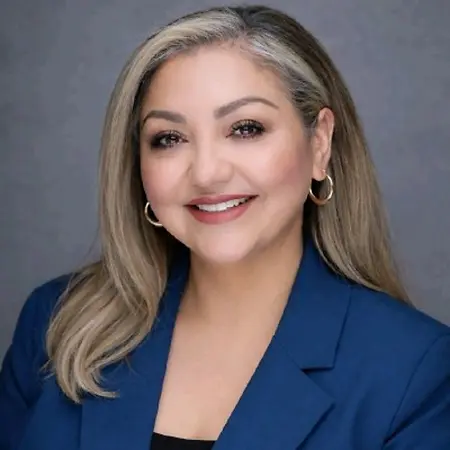
Her Story
About Adriana
I have spent over 20 years in leadership learning one thing above all else: when you invest in people, the outcomes take care of themselves.
I started my career as a bank teller and spent nearly 10 years in financial services before making a deliberate pivot into healthcare. I joined ophthalmology as a patient counselor and built my way into executive leadership over the next 16 years. The most important thing I do every day has nothing to do with operations or strategy. It is making sure the people around me know they are capable of more than they think.
The leaders I am most proud of are the ones who started unsure of themselves and found their footing because someone believed in them first. I have led teams of nearly 200 across clinical operations, and building people up has always been the foundation of how I operate.
Today I work across a platform of about 80 locations in three states, building the systems and developing the people who make sure every patient understands their options and feels empowered to make decisions about their own vision. It is not a small thing to help someone protect their sight. I never forget that, and I make sure my teams never do either.
Her Interview
Ten minutes with Adriana
01What do you attribute your success to?
I attribute my success to developing people with genuine investment. You cannot wear every hat effectively without a strong team, and building that team has always been my priority.
Early in my career I learned that when I took things too personally, it was because I was the only one owning them. When I started teaching my team to share that ownership, the outcomes improved and so did my ability to lead at a higher level. Shared responsibility does not mean eliminating mistakes. It means when they happen, we course correct, learn from them, and move forward without carrying the weight of them.
That is how I manage the demands of complex operations. Not by doing it all myself, but by building a team that owns the work alongside me.
02What’s the best career advice you’ve ever received?
The best career advice I ever received was simple: you are only as good a leader as the people you promote from under you.
It stopped me in my tracks when I first heard it, because it reframes what leadership actually means. It is not about how much you know or how well you perform individually. It is about what you are building in the people around you. If the team you develop cannot grow beyond where they started, that reflects on you as much as it reflects on them.
That advice changed how I hire, how I coach, and how I measure my own success. I started paying closer attention to who was ready to take on more, who needed someone to believe in them before they believed in themselves, and what I could do to get them there. The promotions that have meant the most to me in my career are not my own. They are the ones I watched happen because I invested in someone who needed the opportunity.
03What advice would you give to young women entering your industry?
Slow down before you respond. I spent years being so action-oriented that I was reacting before I had fully listened, and it cost me more than I realized at the time.
Listening is not passive. When you genuinely listen to the person in front of you, you can guide them in a way that sticks, because you actually understand what they need. When you come in with answers before you have heard the question, you might solve the problem but you lose the person. A little empathy goes further than the most well-crafted directive ever will.
I also had to learn the difference between being the problem solver and being the person who helps others grow into their own solutions. I thought being indispensable meant having all the answers. It actually means developing people who do not need you to.
What I struggled with built me into who I am today, so I do not regret the path. But if I could give one gift to a younger woman starting out, it would be this: learn to use your time well and invest in others early. The impact you can have, and the career you can build, will be so much greater for it.
04What values are most important to you in your work and personal life?
My faith is my foundation. It shapes how I show up in every room I walk into, how I treat people, and how I lead when things are hard. Everything else I value flows from that.
Honesty and transparency are non-negotiable for me. I would rather have a difficult conversation than let something fester, and I expect the same from the people I work with. Trust is built in those moments, not around them.
Empathy is something I have had to practice intentionally. Early in my career I led with drive and urgency, and I had to learn that understanding where someone is coming from is not a soft skill, it is a leadership skill. When you lead with empathy, people work harder for you, stay longer, and grow faster.
At the core of all of it is people. I am most fulfilled when I am investing in someone else's growth, and that does not stop when I leave the office. I am raising two daughters, and the example I set every day matters as much to me as anything I accomplish professionally. I want them to see what it looks like to lead with integrity, to treat people with genuine care, and to never compromise who you are to get where you are going.
Join Influential Women and start making an impact. Register now.