Her Story
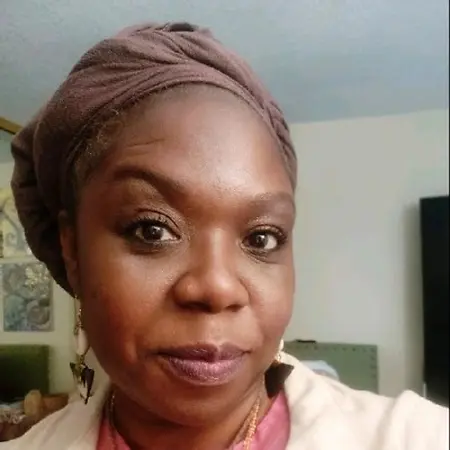
About Ayanna
I come from a long line of women in social work and social services professions. My mom was a social work supervisor in the county that I currently work in, and my grandmother started her own daycare and worked in the community where we lived. She was my Head Start teacher and preschool teacher, and volunteered at Hull House, which is one of the first social work entities in Chicago. Her sister, my grandmother's sister, was the first African American teacher in Grenada, Mississippi. I started as a social worker in 2009, inspired by this legacy of helpers in my family. In my current role as a social services analyst, I oversee contracted program services related to domestic violence prevention and intervention for families going through the reunification process within child welfare. I also work with agencies that support the African American community to reduce the disparate outcomes for African American families who are going through the reunification process. The work is challenging, especially with funding cuts impacting our ability to support families meaningfully, but I remain committed to creating opportunities for the families and communities I serve.
Her Interview
Ten minutes with Ayanna
01What are the biggest challenges or opportunities in your field right now?
Funding is a huge challenge, both internally and externally. Internally, because of the various budget cuts that the federal government has instituted, our ability to support the families by way of having engagement efforts by social workers that is meaningful is impacted. Our caseloads are too high, and our staffing is struggling because we don't have the funding to hire new social workers or to keep social workers, and that then impacts the number of cases that social workers receive, which then decreases the amount of time that social workers can spend with families. And then externally, because of that same federal guideline that has cut budgets across counties, we're seeing the services that we have to refer families to either closing their doors, or reducing their services, or reducing their service capacity. So the needs for the families continues to increase, while the service array within the community continues to decrease. And it's even more so if you have special areas, like if you're working with a Native American family, or you're working with an African American family, or you're working with a family that has children with special needs. Those services are hard to get because they're so specific, and the funding and resources are so limited. It's like having a really small pool with a lot of people that are trying to get in it. Some people have to wait a really long time for services.
Join Influential Women and start making an impact. Register now.