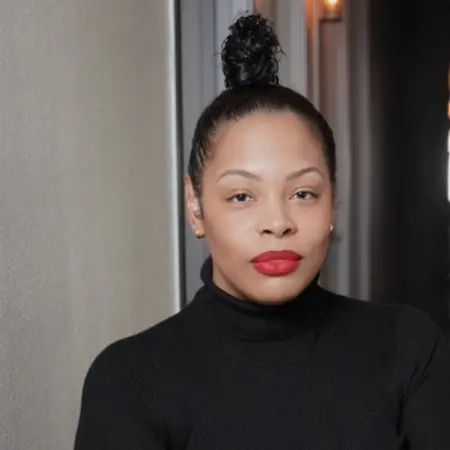
Her Story
About Rikki
My journey started early - I had my first internship at 14. Growing up in 11 to 12 foster homes taught me a different level of grit. My goal was simple: work, save money, get grown, and take care of myself. That drive shaped everything. I specialized in strategy, operations, marketing, and scaling, cutting my teeth in Beverly Hills and Century City, working alongside founders and helping them scale their businesses. Over the last 20 years, I've supported founders, celebrity brands, hospitality groups, e-commerce companies, and even two publicly traded companies, creating the structure they need for sustainable growth. I always say I was doing operations before I knew operations was even a thing - whether picking paint for a concierge doctor at UCLA or arranging a crane delivery from Beverly Hills to Palm Springs. My work sits at the intersection of psychology and processes. My three core pillars are brand positioning, marketing, and operational architecture. I don't just help brands look good - we help them operate better and scale smarter. I'm a tech junkie who loves building systems that will outlast me. No two days are alike. Yesterday I was on site with a restaurant founder, today I'm dealing with accountants. I just got back from London working with a founder there. I work with founders and their teams directly, and honestly, 9 times out of 10, the founder is the biggest bottleneck. I've been growing my company, Rare Restricted, for close to 8 years now. The name means unusually good and remarkable, and I intend on delivering amazing things with that.
Her Interview
Ten minutes with Rikki
01What do you attribute your success to?
I attribute my success to the grit I developed from growing up in 11 to 12 foster homes. That experience gave me a different level of determination - my goal from a very early age was just to work, save money, and get grown so I could take care of myself. Starting my first internship at 14, I learned early on to focus on strategy and understanding what needed to be done. I also believe in the power of listening and understanding people, not just communicating. Psychology has really helped shape me - when you can understand people versus just listening, that makes all the difference. I studied industrial organizational psychology to understand human behavior, and that's been crucial in my work. I always try to make sure I'm listening diligently. I also stay open to learning - I tell every founder the same thing: just because I know a lot doesn't mean I know all, and the moment you think you know all, you've already put a ceiling on yourself. That openness has been key to my growth.
02What advice would you give to young women entering your industry?
Just don't stop. Don't stop. It doesn't matter where you come from - don't let your circumstances define you. I grew up in 11 to 12 foster homes, and when I graduated early at 18, the system gave me $800 and said go to prom if you want to. I had to ask a friend's mom to get an apartment in their name for me because I had nowhere to live. I couldn't get an apartment in my name, and I couldn't even rent a hotel room. But I always worked, always made my money, and I kept going. If I can just change one, two, three lives of a young person and they look back later, my work is done. I want people that were just like me to hear that - if they hear that they have a chance, that's what matters. Keep going, and don't think that your circumstances define you.
03What are the biggest challenges or opportunities in your field right now?
The biggest challenge I see is that founders are their biggest bottlenecks, and it's really hard to explain it to them. Everyone can own a business, but everyone is not equipped to be a CEO. A lot of times, at least in my field of work, it's really understanding people and working with founders. Most companies don't know when to hire or what scale looks like, especially for those that are trying to go public. I work with founders and their teams directly, and 9 times out of 10, it's a founder issue. I tell every founder the same thing: just because I know a lot doesn't mean I know all, and the moment you think you know all, you've already put a ceiling on yourself. Just be open to learning. Once we can get past that breakthrough, things work. But I just had a client I didn't renew for June - he doesn't listen, he can never make payroll, he shows up to every meeting 20 minutes late. You can't even manage your staff. That's the biggest pain point for me.
04What values are most important to you in your work and personal life?
The most important value to me is being able to provide for others and help people, especially those who were in situations like mine. I love tying my mission to my brand - that's what I want to be known for, that's what I want to die as, a person that has helped and touched many lives. When I started my company, I was a single mom at 19, and no one would help me. I spent all my money on a new laptop and borrowed money for my rent. I always ask: who's giving back to those people? What about the person that's sitting at their 9 to 5, trying to fuel their 5 to 9? Who's gonna help them and not charge them 20 grand? That's my business model. I want to do great work and look at myself in the mirror knowing I've made a difference. My daughter is 21 now and doing phenomenal. I want my next business venture - turning my homes into independent living programs for foster youth - to give young kids aging out of foster care a career path and the life skills they need so they don't turn to alcoholism or drugs. I named my company Rare Restricted because it means unusually good and remarkable, and I intend on delivering amazing things with that.
Join Influential Women and start making an impact. Register now.