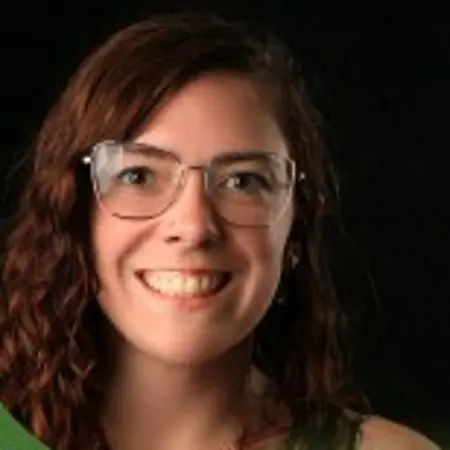
Her Story
About Christina
When I originally came into healthcare, the thing that brought me here was I was caring for my grandfather, who had gotten very, very sick with cancer. I ended up caring for him in his last few months alive, and that is what brought me to want to work in healthcare, to care for people on just a level where I knew that they couldn't care for themselves, and it was something that I could do to help them. My first role in healthcare was a patient attendant, where I sat with patients overnight just to make sure that they were safe and cared for by industry standards. Then I moved to the staffing department where I actually made the schedule for all of the previous roles that I had been in, where I basically became the management role for that position I had been in before. I made schedules, I did payroll, and I worked with a higher-up manager on just making sure that all of the roles that we filled at the hospital were filled by the correct team members. In my current role, I complete authorizations, I call patients and ensure that all of their information in the chart is correct, and I make sure that all of their insurance information is in. A big portion of what we do at our hospital is scans and billing is a big portion of that, and making sure that the insurance is billed properly is very important because we don't want the patient to have to pay enormous amounts of money for scans that their insurance company should be covering. My main area of expertise today is authorizations, and I do around 70 to 80 authorizations a day. My most notable professional achievement so far was when I worked as team lead at my previous role with Duke. I actually created several documents for the department that are still in use today, and they are essential for hospital running. I created the call-out log and I created the log that they use to send staff members to certain locations for sitting positions. They still use those today because they are essential for the hospital to be run. The original scheduling document took at least an hour and a half to do for just one hospital in a three-hospital system. I sat down, I created the documents, and after the documents were in place, we managed to cut down the time that we had to spend on scheduling and payroll by I would say 50%.
Her Interview
Ten minutes with Christina
01What do you attribute your success to?
The things that have been most impactful for me is just learning on the job what needs to be done. I am a very quick learner, and I pick up things really, really quickly. If I see something that needs to be done, I do it. I learn very quickly from what I've done already, how to do things in a more streamlined way. The education I have, I have some college courses, but honestly, the thing that I've learned from the most is just in job experience. When I worked in the staffing department, they had certain things that they used before, like an Excel spreadsheet that they were trying to use, but it wasn't a streamlined process. It was definitely a lot of work, and we sat down as a team, and I said, if I'm given the time to create this document, and I'm given the chance to do this, I will not only streamline the process for scheduling, it will also streamline the process for payroll. I sat down, I created the documents, and after the documents were in place, we managed to get through and cut down the time that we had to spend on scheduling and payroll by I would say 50%.
02What advice would you give to young women entering your industry?
Honestly, the biggest piece of advice I could give to somebody going into my role, or a role that's very similar to my role, is to just be open to learning everything you can from all of the people in your role. If you are willing to learn from your teammates, your team lead, your manager, everything that you can learn, you're more likely to get a better grasp of not only your role, but their roles. If you have a better grasp of everybody's roles, you're more likely to get promotions, you're more likely to get a better grasp of how to treat patients with respect and dignity, and knowing that, yes, they are here for healthcare needs, they are here because they are sick. They are not well, they are frustrated, they are upset. They might take that anger and frustration out on you, and that's something that you have to put aside and realize that they are not doing that on purpose. They are just in a very bad headspace. And just making sure that you know that you are there to help them. And that you are their lifeline.
Join Influential Women and start making an impact. Register now.