Influential Woman · Autism Therapy and Support Services
Hope McPheeters
Director of Community Engagement, AUTISM SUPPORT NOW, LLC
Kansas City, MO 64153
Her Story
About Hope
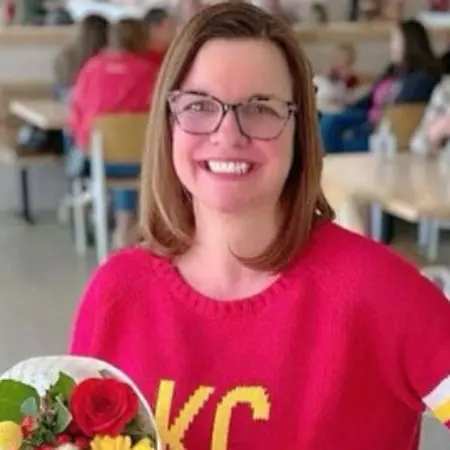
Hope McPheeters is an autism advocate, educator, nonprofit founder, and community leader dedicated to supporting families navigating life on the autism spectrum. Based in Kansas City, Missouri, Hope currently serves as the Director of Community Engagement and Family Ambassador for Autism Support Now, where she educates communities about autism awareness and helps families navigate services from early diagnosis through adulthood. Her work is deeply personal, shaped by her experience raising two children on the autism spectrum who were diagnosed at young ages. Hope often describes her children as her “tour guides” on this journey, crediting them with teaching her the resilience, advocacy, and compassion that now drive her mission to help other families feel supported and empowered. Through her role, she works closely with parents, schools, providers, and communities to make resources more accessible and to ensure families never feel alone in the process.
Before transitioning fully into advocacy and autism services, Hope spent twenty-one years as a high school French teacher, combining her passion for education with her love of language and culture. Fluent in French after studying abroad in France, she earned her bachelor’s degree in secondary education from University of Missouri-Columbia and later completed a master’s degree in Teaching and Innovation from Webster University. While still teaching, she co-founded the nonprofit Ella's Hope for Autism in 2010 alongside her former husband after recognizing the urgent lack of autism resources and therapy access available to families in Missouri. What began as a grassroots nonprofit effort eventually grew into Autism Support Now, which she co-founded and helped expand from a small three-room clinic into a network of fourteen clinics serving more than two hundred families across underserved communities throughout the state. Hope also played an active role in statewide advocacy efforts that helped secure insurance mandates requiring autism therapies to be covered by private insurance and Medicaid, significantly improving access to care for countless families.
Throughout her career, Hope has remained committed to the values of love, respect, acceptance, and the belief that “different is not less.” In addition to her work with Autism Support Now and Ella’s Hope, she has served on advisory boards and grant organizations focused on supporting children and families with developmental disabilities. She is passionate about creating more autism-friendly communities and helping families overcome the barriers often associated with navigating healthcare, insurance, and educational systems. Outside of her professional and advocacy work, Hope enjoys traveling, cooking, spending time with lifelong friends, and relaxing with her dog. Whether working directly with families, speaking in the community, or mentoring parents beginning their own autism journey, she continues to use her lived experience, educational background, and compassion to create meaningful impact for others.
Her Interview
Ten minutes with Hope
01What do you attribute your success to?
Honestly, I attribute my success to my children. Watching them navigate life with resilience, determination, and positivity has been my greatest source of inspiration. They have had to work incredibly hard for every milestone and every achievement, and seeing their perseverance motivates me every single day.
They are my driving force. If they can face challenges with strength and optimism, it reminds me to keep moving forward with gratitude and purpose. My children have not only shaped who I am as a mother, but also who I am as an advocate and professional.
I often say they are my tour guides on this journey. Through living this experience together, they have taught me lessons about patience, acceptance, joy, and unconditional love that I could never have learned any other way. Everything I do is rooted in the hope of creating a more understanding and supportive world for them and for other families like ours.
02What’s the best career advice you’ve ever received?
I think really the best career advice I've received was from our CEO of our company now, Autism Support Now, Michael Quinn. He was the one that approached me about leaving the classroom, and I was terrified at the time to make that decision because after being in a classroom for 21 years, it's hard to go into the business world where you're not on a bell schedule. He told me to follow my heart, and that I had given my all to education, and it was time to give my all to my passion, because my kids are my passion. It enabled me to stay home and work from home most of the time with flexibility and freedom with my kids that I never had. When he told me that I would be an asset outside of the classroom, I think that gave me that push.
03What advice would you give to young women entering your industry?
If you have a passion for helping children and families, this is an incredibly rewarding field to consider. Neurodivergent children — whether they have autism, Down syndrome, ADHD, or other developmental differences — learn and experience the world in unique ways, and there is such a tremendous need for compassionate professionals who want to support them.
I always encourage young women interested in working with children to explore the behavioral and psychological side of development. Many people enter this field after personal experiences with an early diagnosis in their own family. For example, many young mothers discover the role of an RBT, or Registered Behavior Technician, where they are trained to provide therapy and support to children with autism and other developmental needs. Some of our most dedicated RBTs are parents of children on the spectrum themselves, and they were inspired to learn how to better help their own children while also supporting other families.
This work is deeply meaningful, but it also requires patience, empathy, resilience, and passion. It is not always easy — much like parenting itself — but the impact you can make in a child’s life and in the lives of their families is truly immeasurable.
04What are the biggest challenges or opportunities in your field right now?
One of the biggest challenges families face is navigating insurance barriers and gaining access to therapy services. Even with insurance mandates in place, many families are still denied coverage for essential therapies, creating overwhelming stress and uncertainty. A large part of my work is helping families understand and navigate these complicated systems so they can access the support their children need.
Another important challenge is educating the public and creating more autism-friendly communities. In Kansas City, we work closely with local businesses to help them better support individuals with autism and their families. That may mean training restaurant staff on sensory needs, helping managers understand behaviors like stimming, or creating more welcoming environments so families feel comfortable enjoying everyday experiences like dining out together.
The social aspect of autism is often overlooked, so we also focus heavily on social integration programs that help individuals build connections, confidence, and community. My passion is not only advocating for services, but also helping create a world where individuals with autism and their families feel understood, supported, and included.
05What values are most important to you in your work and personal life?
At the center of both my personal life and my work are love, respect, and acceptance. In our home, it has always been important that my children feel loved and valued for exactly who they are. That same belief carries into the work I do every day with other families.
I strongly believe that different is not less. Every individual has unique strengths, challenges, and ways of experiencing the world, and I believe those differences should be respected and embraced. Whether I am advocating for my own children or supporting another family navigating a diagnosis, I lead with compassion, empathy, and understanding.
For me, the most important thing is creating a world where individuals with disabilities and their families feel accepted, included, and supported — not judged for being different, but celebrated for who they are.
Join Influential Women and start making an impact. Register now.