The Moment She Realized She Was Burned Out
And what she changed before it cost her more.



And what she changed before it cost her more.

I stopped really feeling a sense of care for my direct customers; I was doing the job but not getting satisfaction from it. That's when I realized that my passion had moved from outside of the organization to internal.

I believe setting boundaries is essential in order to avoid burnout. Making sure that you set time aside on a daily basis to do something that feeds your soul and allows your mind. A creative outlet for rest and relaxation whichever is most needed. In the high demand and hustle and bustle of life, it's easy to let yourself not be a priority.
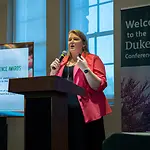
I realized I was burned out when I couldn't remember the last time I had simply enjoyed the work I loved. I had ignored the signs for too long, and eventually my body forced me to slow down. That pause also forced me to ask myself a difficult question: was the burnout my body's way of telling me I needed to slow down, or was it signaling that it was time to move on to a new position, a new opportunity, or a new chapter? Taking the time to reflect helped me realize that I didn't need a different purpose. I needed a different pace. That experience changed my perspective. Taking care of myself isn't a luxury or a distraction from my work. It's what allows me to continue showing up as the program administrator, colleague, and advocate my community deserves me to be. Like all worthwhile things, finding that balance is still a work in progress. I've learned that slowing down isn't falling behind. It's what allows me to keep moving forward with purpose.

Burnout happens but it's okay to change up routine in and outside of work. Focusing on other projects or just taking more mental breaks during the day can help you relax when things get tiresome.

Burnout forced me to redefine strength. I stopped measuring it by how much I could carry in silence and began reclaiming balance through honest boundaries, meaningful support, and the understanding that rest is not something we have to earn.

Burnout didn't take me out in one blow; it eroded me in silence. My turning point came when I stopped performing strength and started honoring my limits. That's when balance finally had room to return.

Teaching is my passion, but I learned that I matter too. Taking time to rest, lean on the people I love, and remember why I started this journey helped me find my balance again.

I was very committed during my career, as I was near my retirement, the change allowed me to balance more time with my family and teach part-time which will always stay in my heart.

Mental focus, rest, meditation, prayer, hard work mentally, physically and emotionally, and concentration, mental puberty and self discovery, isolation, reestablishment.
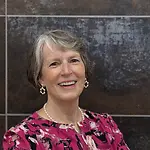
With burnout, you have to first recognize that's where you are; then you can own it. Once you own it, you can take steps to correct the feeling and it's likely time for a change. When I've felt burnt out, and determined it was time to move on, I always found a better opportunity including self employment.

Burnout came for me slowly, through overcommitment, pressure, and carrying too much in silence. Reclaiming balance began when I stopped seeing rest as weakness and started honoring it as stewardship, learning that every "no" made room for a healthier, more purposeful "yes."
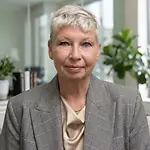
Burnout is often the quiet accumulation of saying 'yes' when your spirit is screaming 'no.' Reclaiming balance starts with honoring your boundaries.

Burnout happens even in someone who is highly motivated. Instead of trying to work harder, I focus on protecting my energy. Redefine what success looks like each day. Stop carrying problems that belong to the organization. Celebrate wins that aren't on the dashboard - Those moments matter!

For years, I found purpose in serving others, through leadership, ministry, my career, and my family. I have always had a heart to pray, encourage, support, and help those around me. But somewhere along the journey, I realized I was constantly pouring into everyone else while leaving my cup empty and dry. The moment I recognized I was burned out wasn't because I stopped caring. It was because I cared so deeply that I forgot I needed care too. God began showing me that exhaustion was not a requirement for purpose. I had to learn that being called to serve others does not mean I am called to neglect myself and most of all my peace. True leadership requires compassion, but it also requires wisdom, balance, and healthy boundaries. Choosing myself was not walking away from my purpose, it was protecting my peace and what God placed inside of me. I learned that rest does not mean weakness, and saying "no" does not mean I lack commitment. Sometimes the strongest thing a leader can do is recognize when it is time to be restored. Today, I still lead, serve, and give, but I no longer believe I have to lose myself to prove my dedication, or say "yes" to every request. I declare choosing me was not selfish. It was stewardship over the life, purpose, and calling God trusted me with.

Burnout taught me that success means very little if you lose yourself along the way. Reclaiming balance started with making space for rest, saying no without guilt, and trusting that I didn't have to do it all.

The realization didn't come with a crash, but with the quiet awareness that I had been running on empty for months. Acknowledging the burnout was permission to finally drop the weights I had been proudly carrying. Almost immediately, the frantic urge to constantly produce gave way to a deliberate, protective slowness. I began setting boundaries around my time and energy, treating rest not as a reward to be earned, but as a non-negotiable right. Now, success is no longer measured by how much I can endure, but by how sustained and peaceful I feel at the end of the day. I now focus on calmness over chaos.

The best projects aren't defined by perfect drawings, but by the relationships, resilience, and collaboration that bring them to life.