What Failure Taught Her About Leadership
Growing stronger because things didn't go according to plan.



Growing stronger because things didn't go according to plan.


Failure taught me that leadership is not proving you always know the answer. It is having the courage to pause, tell the truth about what you do not know, and protect others from the cost of false certainty.

So my leadership skills were a result of my experience in life. And I'm very happy that I get to share that with the people I build.
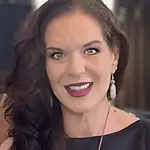
I have learned that on every hire, it will not deliver the same expected results. These types of experiences re-shaped my leadership by reminding me that investing in people is what ultimately builds a great team.

Hardship and trauma once clouded my path; I learned to release what no longer served me, anchor in my self-worth, and hold myself accountable to growth. This discovery taught me that true abundance was always an invitation to love myself deeply and rise anew.

When a student was unable to pass despite every support we could provide, I realized that leadership is less about outcomes and more about impact. Sometimes the most important thing you can give someone is unwavering belief in their ability to grow.

My greatest leadership lessons came from seasons that broke my plans but strengthened my character. Failure taught me that true leadership isn't about controlling outcomes, it's about leading with resilience, humility, and unwavering integrity.

Leadership isn't about having all the answers. It's about creating an environment where your team has the confidence, clarity, and support to find the answers and get meaningful work done.

Once I learned to pause before responding, I was able to be more present and respectful as a leader. So important to respond from a grounded place.

During my dissertation, I spent months questioning whether I had chosen the "right" research model. What initially felt like failure ultimately taught me that leadership and scholarship is not about defending one approach, but about finding the clearest way to make complex ideas accessible. That lesson continues to shape how I communicate with boards, communities, and clients today.

Early in my career, I confidently walked into a meeting with a beautifully polished presentation, only to discover I'd solved the wrong problem. After a generous serving of humble pie (mea culpa), I learned that the most important leadership question isn't "What should I present?" but "What needs to happen for this to be worthy of your time?"

When a plan fell apart, it humbled me. That experience taught me to lead with more grace, patience, and tenderness toward myself and others.
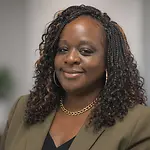
One of the most transformative experiences in my leadership journey came during a difficult personal season that directly impacted my career and forced me to rebuild both personally and professionally. Rather than letting the setback define me, I chose to grow through it. That experience taught me that leadership isn't about being perfect, it's about accountability, integrity, and resilience. Today, I lead with greater humility, empathy, and a solution-focused mindset because I know that some of the greatest growth comes through adversity and you just never know what silent battles people are facing!

A moment that reshaped my leadership was realizing I had trusted blindly while watching people in authority weaponize their positions to sabotage my work and smear my name. What was meant to break me instead sharpened my discernment and anchored me in leading with intention, truth, and unwavering self-loyalty.

Leadership isn't about avoiding failure, it's about reflecting on every setback, learning from it, and coming back stronger than ever.

Failure taught me that leadership is not about having all the answers it's about learning, adapting, and helping others succeed. One of my biggest leadership lessons came from a time when I focused too much on solving problems myself instead of communicating effectively and trusting my team. The experience showed me that strong leaders create clarity, empower others, and remain accountable when things don't go as planned.