Learning to Lead People Who Were Older or More Experienced
Earning respect without pretending to have all the answers.



Earning respect without pretending to have all the answers.


Dedication, hard work, always doing what's right, and genuine commitment to clients, is what make a successful advisor year after year.

Value what those who came before you have experienced by asking them to share wisdom. People want to feel that they have something to bring to the conversation, and that you are aware of their contributions.

I earned the trust and respect of colleagues who had spent far more years in payroll than I had, not by pretending to know everything, but by showing up consistently, working diligently, and never being afraid to learn from those with more experience. That journey showed me that leadership isn't about being the most experienced person in the room. it's about building credibility through your actions, remaining open to learning, and helping others succeed as you grow.

Being the youngest person in the room most of the times taught me that credibility isn't given by age, it's earned through integrity, preparation, and how you make people feel. When people know you genuinely care about their success, they'll trust your leadership.

When I was promoted to a leadership role, several members of my team had been with the company for more than ten years, while I had only been there for three. I knew I couldn't earn their respect based on my title alone, so I focused on listening first. I spent time understanding their challenges, asking for their input and recognizing their expertise. When changes needed to be implemented, I involved them in the decision-making process rather than simply directing them. Over time, they saw that I respected their experience and was committed to helping the team succeed. This experience taught me that leadership is about building trust, creating collaboration and demonstrating consistency, not about the most experienced person in the room.

I asked questions, listened to advice, and wasn't afraid to admit when I didn't know something. At the same time, I showed up prepared, followed through on what I said I would do, and remained willing to learn.

Some of the most important rooms I've been in included people with far more experience than I had. I learned quickly that respect is earned through preparation, humility, and follow-through. Leadership is not about proving you belong; it's about making the work, the people, and the outcome better because you were there.

The mindset that we are all leaders working on one goal demands that we respect each other. The more experienced or older team member will not feel the once upon thoughts that they need to correct, remind or belittle the younger member. My experience is that you can mix respect and age; new ideas and youth to create a dynamic team.

Be respectful. No matter how much experience or old you are, showing respect towards others is important.

I learned that people don't follow confidence alone. They follow consistency, honesty, and someone who genuinely cares. Respect isn't demanded by experience; it's earned through how you treat others every single day.

Use respect, ask for their advice, and show clear value. Build trust by listening first.

Showing respect earns respect. Earlier in my career, I had incredible mentors. I put in a lot of effort to really listen and appreciate the guidance that I was gifted and in return, have intentionally demonstrated that their investment in me has made a difference. With my own team, I try to model the same thoughtful and graceful mentorship I was given myself.

Everyone has something to teach us, regardless of age, title, or tenure. The best leaders create environments where every voice is valued and every perspective has the opportunity to shape what's possible.

Never underestimate the value of experience. Trust those who have been in the field longer to guide you in shaping your ideas. The best leaders don't know everything: they know how to listen, learn, and grow.

Despite having fewer years of experience, I have earned trust by leading with authenticity, continuous learning, and a client-first mindset. People respect consistency and results, and I strive to deliver both in every interaction.

I've come to realize that in the industry I'm in, there is always an opportunity to learn, and always someone who has had the same, or similar, situation that they've handled. Ensuring that I seek to understand others' advice when it's given, and also following back up to let that person know how their advice panned out has built great relationships among my more tenured colleagues who are eager to pass down the knowledge they have.

I've learned that in every area of life, you must first become comfortable following before you ever develop the capacity to lead. Who we are and where we are was shaped by watching and learning from someone who went ahead of us, regardless of age, rank, or experience. We may all desire to lead, but it's how we treat and respect others that determines whether people will continue to follow us.

I earned the trust of people with more years of experience by never treating leadership as having all the answers. I learned to listen deeply, honor the expertise others brought to the table, and lead with competence and consistency, because respect isn't granted by a title or age; it's earned by how you show up for people.

I learned that trust isn't earned by having all the answers. It's earned by listening well, following through on your commitments, and treating every person with respect. Some of the people who trusted me most had decades more experience than I did, and they reminded me that leadership is measured by how you show up, not how long you've been there.

Leadership isn't about having the most experience in the room; it's about being willing to learn from everyone in it. I've found that when you stop trying to prove yourself and instead focus on serving others, leading with integrity, and consistently following through, trust naturally follows.
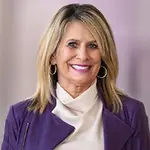
I earned trust by listening more than I spoke, keeping my commitments, and inviting people with more experience to help shape the vision. That taught me leadership isn't about having all the answers, it's about earning credibility through humility, consistency, and service.

I had one of the most incredible mentors ever. His name is Mr. Maurice Walker, he has been in education for over 40 years. He has been my assistant principal as well as my building principal over the years. He leads with compassion, wisdom and integrity. He always taught me that I should never shrink, but always find a place to be planted, allow those with knowledge to water me and blossom into a beautiful flower. He inspired me, encouraged me and believed in me, under his leadership I gained the strength to step out of the shadows and assert myself, I realized I had many talents and now I am a mentor teacher, leading, encouraging and inspiring new teachers.

I earned the trust and respect of seasoned professionals by listening first, staying humble, and consistently letting the quality of my work speak for itself. Leadership isn't about years of experience; it's about earning credibility through integrity, accountability, and willingness to learn from everyone around me.

Leadership isn't about being the oldest or the most experienced in the room. It's about consistently bringing value, serving with integrity, and following through on what you say you'll do. I learned that trust is earned through character and competence, and respect naturally follows.

It's really about listening with intention, recognizing that every person brings valuable knowledge and staying curious. Trust is earned by respecting the experience in the room, learning alongside them, and creating an inclusive environment where every voice felt heard and valued.

I have earned the trust of older professionals by staying respectful, humble, and a passionate leader. This has helped me earn respect and credibility in rooms that are valuable.

Leadership isn't about having all the answers-it's about earning trust through consistency, humility, and delivering results. I learned that respect follows action, not age.

When leading individuals with a longer tenure than myself, I focus on observing their work, praising their approaches, and actively seeking their opinions. I also make sure to share my thought process behind decisions;. If there is disagreement, I take the time to debrief and explain my rationale so they know their perspective is truly valued.

I've found that being receptive, remaining open to learning, and treating every person with respect helped build strong foundations in my relationships. It's not always about having all the answers, but rather creating environments where people feel heard, valued, and respected, while understanding that a position of authority carries the responsibility to be intentional about our influence and the impact we have, both individually and collectively.

My leadership superpower is making people feel seen, not just as students or co-workers, but as human beings who have their own strengths and weaknesses, highs and lows. I try to meet people where they are, and as my sphere grows, I teach those close to me to do the same, because leadership is ultimately about seeing the people behind the roles and guiding them toward a shared goal.
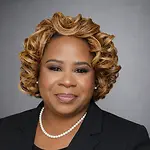
Gaining the trust of professionals with more experience in the field taught me the importance of humility and being open to learning from others. Those experiences helped me develop a "bottom-up" leadership approach, ensuring I understand challenges and perspectives firsthand before making decisions. As a result, I have become a more thoughtful, informed, and effective leader.

Honestly, the captioners that were in the field before me took me under their wings and became my mentors. I had already been in the court reporting field for over 12 years, but captioning was a different kind of steno writing because you are writing real-time always. They gave me opportunities to learn and develop my skills so I could become better and better with more experience. On-the-job training, you'd say! (Or throw me overboard and hope I'm able to swim) 😊